We deliver to you Mon-Fri from 8:00 to 18:00

Your Cart
Add £100.00 to cart and get free shipping!
No products in the cart.
Free Shipping on All Orders Over £100
Add £100.00 to cart and get free shipping!
No products in the cart.
Free Shipping on All Orders Over £100
Currently trending on Sitex Direct
Popular products with our buyers



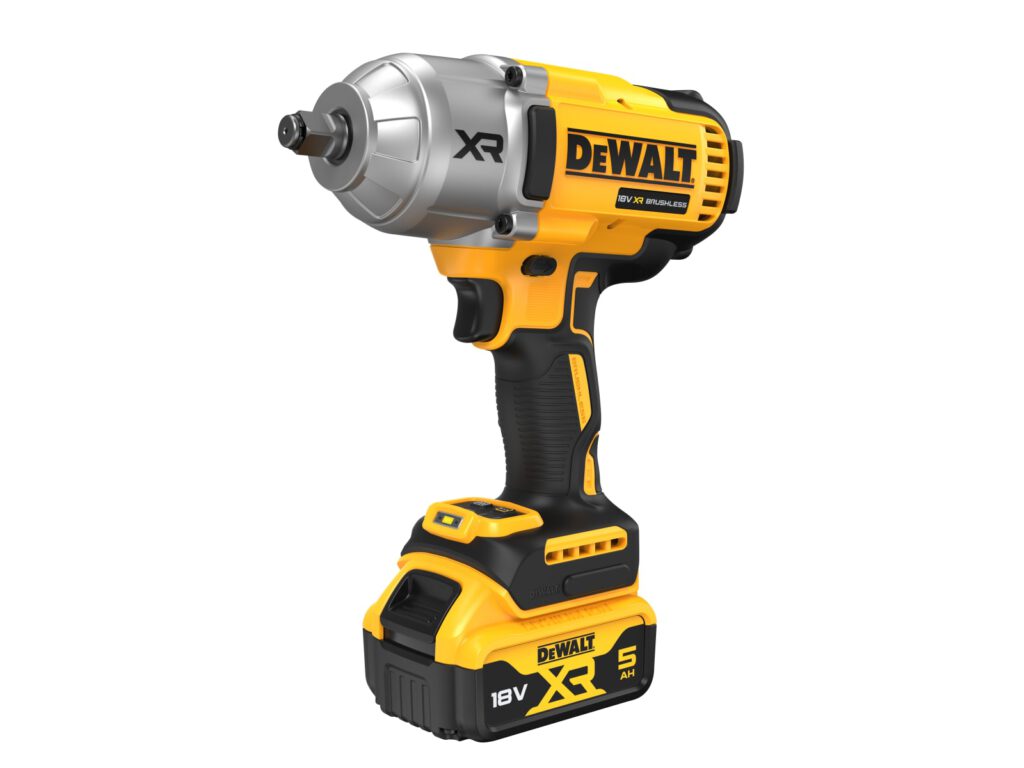

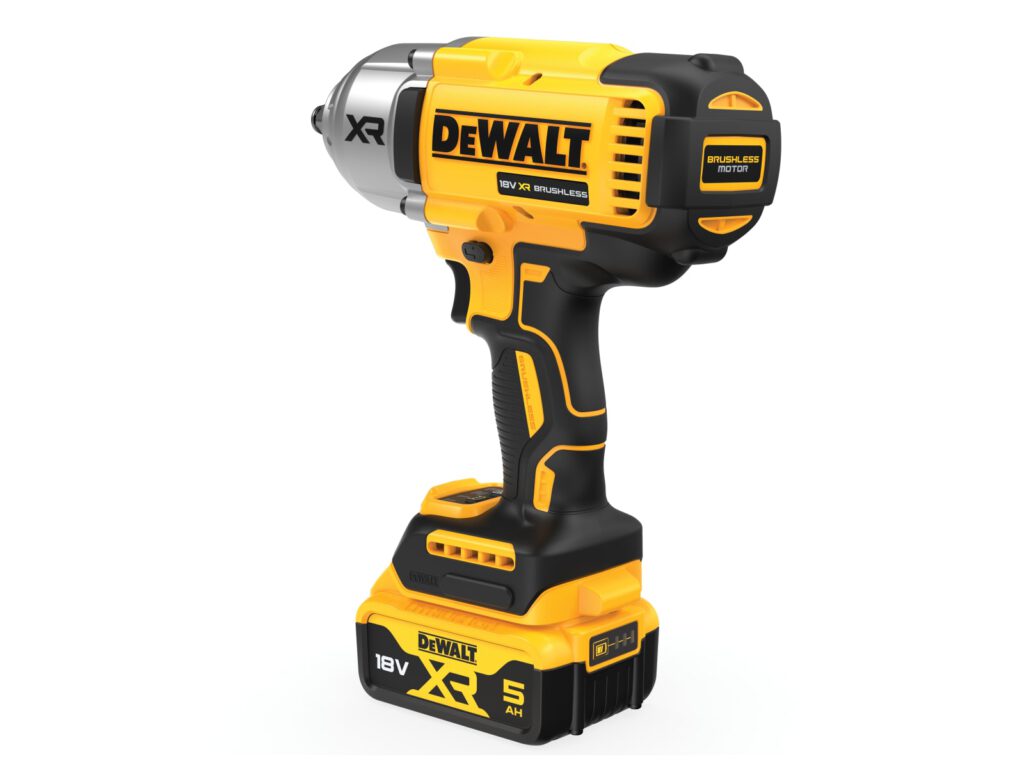


Soon stocks will run out
Dont miss this opportunity while supplies last.

⏱️ Reducing Equipment Downtime — UK Reliability & Uptime Guide
A UK guide to reducing equipment downtime — the cost of downtime, planned vs unplanned, causes, strategies (PM, spares, response, root-cause), measuring reliability, and culture.
When a critical machine stops unexpectedly, the costs cascade: lost production, idle staff, missed deadlines, emergency repair bills, and sometimes knock-on disruption across the whole operation. Unplanned downtime is one of the biggest hidden costs in any equipment-dependent business, and it’s largely preventable. Reducing equipment downtime — keeping equipment available and running when it’s needed — is one of the highest-value goals of a good maintenance and reliability strategy, and it’s achieved not by one silver bullet but by a combination of preventive maintenance, good spares management, fast effective response, and continuous improvement.
Downtime is the time equipment is not available to do its job. The crucial distinction is between planned downtime (scheduled maintenance, deliberately taken when convenient) and unplanned downtime (breakdowns and failures — the costly, disruptive kind). The goal isn’t zero downtime (some planned downtime for maintenance is essential and beneficial) but minimising the unplanned downtime that hurts, while making the necessary planned downtime as efficient as possible. This is fundamentally about reliability — equipment that’s well-maintained, well-understood, and well-supported simply fails less.
This guide covers reducing equipment downtime — the cost of downtime, planned vs unplanned downtime, the causes of unplanned downtime, the strategies to reduce it (preventive and predictive maintenance, spares, response, root-cause analysis, design and operation), measuring downtime and reliability, building a reliability culture, sector considerations, and the common mistakes. It builds on our Preventive Maintenance and Maintenance Planning guides.
The Cost of Downtime
Unplanned downtime is expensive, often far more than the visible repair cost. The costs include: lost production or output (the equipment isn’t producing); idle labour (staff unable to work); missed orders, deadlines, and service commitments (with reputational and contractual consequences); the emergency repair itself (callouts, premium parts, overtime — reactive repair costs more than planned); knock-on disruption (one failure halting a whole line or process); expediting and recovery costs; and sometimes safety risks (failures and the rushed repairs they prompt). For many operations, the cost of downtime per hour dwarfs the maintenance cost — which is exactly why investing in reducing downtime pays off so handsomely. The true cost of a breakdown is rarely just the repair bill.
Because downtime is so costly, reducing it is one of the strongest business cases for investing in maintenance and reliability. Every hour of unplanned downtime avoided is money saved — and the methods to avoid it (preventive maintenance, spares, fast response) cost far less than the downtime they prevent.
Planned vs Unplanned Downtime
Planned Downtime
Downtime deliberately scheduled for maintenance, servicing, changeovers, or upgrades — taken when convenient (off-peak, scheduled windows) and managed efficiently. Planned downtime is necessary and beneficial: it’s the maintenance that prevents the far costlier unplanned downtime. The goal is to make planned downtime efficient (minimise its duration and impact), not to eliminate it.
Unplanned Downtime
Downtime from unexpected breakdowns and failures — disruptive, costly, and at the worst time. This is the downtime to minimise. It’s the symptom of inadequate maintenance, reliability problems, or poor support.
The Trade-Off
The core insight: investing in (efficient) planned downtime through preventive maintenance dramatically reduces (costly) unplanned downtime. A small amount of scheduled maintenance prevents a large amount of unscheduled breakdown. Reducing total downtime impact is about shifting from unplanned to planned and improving reliability — not eliminating maintenance.
Causes of Unplanned Downtime
- Equipment failure / breakdown: Components wearing out or failing — often preventable with maintenance.
- Lack of (or inadequate) maintenance: Equipment not maintained, so it breaks down.
- Deferred maintenance: Planned maintenance skipped under pressure, storing up breakdowns.
- Waiting for spares: Repairs delayed because parts aren’t available — a major and avoidable cause of extended downtime.
- Slow or ineffective response: Time lost diagnosing, mobilising, and repairing.
- Operator error / misuse: Equipment damaged or stopped by incorrect operation.
- Lack of operator checks: Issues not caught early.
- Recurring/unresolved problems: The same failure happening repeatedly because the root cause was never addressed.
- Design or installation issues: Inherent reliability problems.
- Ageing equipment: Old equipment failing more often.
Strategies to Reduce Downtime
Preventive Maintenance
The foundation — planned maintenance preventing the failures that cause unplanned downtime (see our Preventive Maintenance guide). The single biggest lever: maintain equipment so it doesn’t break down.
Predictive / Condition-Based Maintenance
Monitoring equipment condition to catch developing failures before they cause downtime — intervening at the right time, planned, rather than after a breakdown. Optimises maintenance and pre-empts failures.
Spares Management
Having the right spare parts available so repairs (planned and breakdown) aren’t delayed waiting for parts — a critical and often-overlooked lever. Stocking critical/long-lead spares, managing inventory, and knowing what’s needed dramatically reduces repair time.
Fast, Effective Response
When breakdowns do occur, fast diagnosis and repair minimises the downtime — skilled people, good information (manuals, history), the right tools and spares, and clear response procedures. Reducing the time-to-repair.
Root-Cause Analysis
Investigating failures to find and fix the underlying cause — so the same failure doesn’t recur. Stopping repeat failures is a powerful way to cut downtime (fixing the cause, not just the symptom).
Operator Involvement
Operators doing basic checks and catching issues early (autonomous maintenance), operating equipment correctly, and reporting problems promptly — preventing failures and catching them early.
Reliability Improvement
Addressing inherent reliability problems — design improvements, better components, modifications — to make equipment fail less. Tackling the bad actors (the equipment causing the most downtime).
Good Maintenance Management
A well-run maintenance programme (CMMS, planning, scheduling, records) that keeps maintenance happening and uses data to improve (see our Preventive Maintenance and Maintenance Planning guides).
Measuring Downtime and Reliability
What gets measured gets improved — key metrics include:
- Availability: The proportion of time equipment is available to run — the headline reliability measure.
- Downtime (planned and unplanned): Tracking total downtime and, crucially, splitting planned from unplanned.
- MTBF (Mean Time Between Failures): The average time between failures — higher is more reliable.
- MTTR (Mean Time To Repair): The average time to repair a failure — lower means faster recovery.
- OEE (Overall Equipment Effectiveness): A combined measure of availability, performance, and quality — widely used in manufacturing.
- Failure data: What’s failing, how often, and why — to target improvement.
- Cost of downtime: Quantifying the cost to build the case for investment.
- Using the data: Metrics drive improvement — identifying the worst equipment, recurring failures, and where to focus.
Building a Reliability Culture
- Maintenance valued, not deferred: A culture that protects planned maintenance rather than sacrificing it to short-term pressure — because deferred maintenance becomes downtime.
- Proactive not reactive: Shifting from firefighting breakdowns to preventing them.
- Operators engaged: Operators caring for equipment, checking it, and reporting issues.
- Root-cause mindset: Fixing causes, not just symptoms — so problems don’t recur.
- Data-driven: Using reliability data to target improvement.
- Continuous improvement: Steadily improving reliability and reducing downtime over time.
- TPM (Total Productive Maintenance): A methodology engaging the whole organisation in maximising equipment effectiveness — a framework many use to drive reliability.
Sector Considerations
Manufacturing
Downtime directly hits production — OEE, TPM, condition monitoring, and rigorous PM to maximise availability; downtime cost per hour often very high.
Facilities Management
Availability of critical building services — PM, response, and spares to avoid disruptive failures (see our Maintenance Planning for Facilities guide).
Logistics / Warehousing
Availability of forklifts, conveyors, and automation — downtime halts throughput.
Fleet / Transport
Vehicle availability — scheduled servicing and fast turnaround to keep vehicles on the road.
Process / Energy / Utilities
High-stakes availability — rigorous reliability engineering, condition monitoring, and redundancy where failure is very costly.
Critical Infrastructure / Data Centres
Maximum availability through redundancy, rigorous maintenance, and rapid response.
Common Mistakes
Running Reactively
Relying on breakdown repair rather than preventing failures — maximising unplanned downtime. Invest in preventive maintenance.
Deferring Planned Maintenance
Skipping scheduled maintenance under pressure — trading a little planned downtime now for a lot of unplanned downtime later. Protect the PM schedule.
No Spares Availability
Repairs delayed for days waiting for parts — a huge, avoidable extension of downtime. Stock critical and long-lead spares.
Not Addressing Root Causes
Repeatedly fixing the same failure without addressing why it keeps happening. Use root-cause analysis to stop repeat failures.
Not Measuring Downtime
Not tracking downtime, availability, or failure data — so you can’t target improvement. Measure downtime (split planned/unplanned) and reliability.
Ignoring the Bad Actors
Not identifying and addressing the specific equipment causing most of the downtime. Target the worst offenders.
Slow Response
Slow diagnosis and repair when breakdowns occur — extending downtime. Improve response (skills, info, tools, spares, procedures).
Excluding Operators
Not involving operators in checks and early problem-spotting. Engage operators in caring for and monitoring equipment.
Only Counting Repair Cost
Seeing only the repair bill, not the much larger total cost of downtime — underinvesting in prevention as a result. Quantify the true downtime cost.
Running Equipment to Death
Keeping unreliable, ageing equipment limping on — with mounting downtime. Address or replace chronic bad actors.
Conclusion
Unplanned downtime is one of the biggest hidden costs in any equipment-dependent operation — lost production, idle staff, missed commitments, emergency repairs, and knock-on disruption that together far exceed the visible repair bill — and it’s largely preventable. The key distinction is between planned downtime (scheduled maintenance, taken efficiently when convenient, which is necessary and beneficial) and unplanned downtime (breakdowns, which are costly and disruptive), and the central insight is that investing in efficient planned maintenance dramatically reduces the costly unplanned kind.
Reducing downtime isn’t one silver bullet but a combination: preventive and predictive maintenance to stop failures, good spares management so repairs aren’t delayed waiting for parts, fast effective response when breakdowns do occur, root-cause analysis to stop repeat failures, operator involvement, and reliability improvement targeting the worst offenders — all measured (availability, MTBF, MTTR, OEE) and driven by a reliability culture that protects maintenance rather than deferring it. Because the cost of downtime so dwarfs the cost of preventing it, this is one of the strongest business cases in maintenance. Shift from reactive to proactive, keep the right spares, fix root causes, measure what matters, and target the bad actors — and equipment stays available, running, and earning. See our Preventive Maintenance and Maintenance Planning guides for the underlying methods.
Frequently Asked Questions
What’s the difference between planned and unplanned downtime?
Planned downtime is downtime deliberately scheduled for maintenance, servicing, changeovers, or upgrades — taken when convenient, such as off-peak or in scheduled windows, and managed efficiently. It’s necessary and beneficial: it’s the maintenance that prevents the far costlier unplanned downtime, so the goal with planned downtime is to make it efficient (minimise its duration and impact), not to eliminate it. Unplanned downtime is downtime from unexpected breakdowns and failures — disruptive, costly, and almost always occurring at the worst time. This is the downtime to minimise, because it’s the symptom of inadequate maintenance, reliability problems, or poor support, and it carries the cascade of costs (lost production, idle labour, emergency repairs, missed commitments). The core insight connecting the two is the trade-off: investing in a small amount of efficient planned downtime through preventive maintenance dramatically reduces the large amount of costly unplanned downtime from breakdowns. So reducing total downtime impact isn’t about eliminating maintenance or achieving zero downtime — it’s about shifting from unplanned to planned and improving reliability, accepting and optimising the necessary planned maintenance while minimising the breakdowns that hurt. A little scheduled maintenance prevents a lot of unscheduled breakdown.
Why does downtime cost more than the repair bill?
Because the visible repair cost is only a fraction of the true cost of unplanned downtime. When a critical machine stops unexpectedly, the costs cascade well beyond fixing it: there’s lost production or output while the equipment isn’t running; idle labour as staff are unable to work; missed orders, deadlines, and service commitments with reputational and sometimes contractual consequences; the emergency repair itself, which costs more than planned maintenance because of callouts, premium-priced urgent parts, and overtime; knock-on disruption where one failure halts a whole line or process; expediting and recovery costs to catch up; and sometimes safety risks from the failure and the rushed repair it prompts. For many operations, the cost of downtime per hour dwarfs the actual maintenance or repair cost — the lost production and disruption are the real expense, not the replacement part. This is precisely why investing in reducing downtime pays off so handsomely, and why only counting the repair bill is a serious mistake that leads to underinvesting in prevention. Every hour of unplanned downtime avoided saves the full cascade of these costs, while the methods to avoid it (preventive maintenance, spares, fast response) cost far less than the downtime they prevent. Quantifying the true cost of downtime — not just the repair bill — is what builds the business case for investing properly in maintenance and reliability.
What causes unplanned downtime?
Unplanned downtime has many causes, most of them preventable. Equipment failure or breakdown — components wearing out or failing — is the direct cause, and much of it is preventable with maintenance. A lack of or inadequate maintenance means equipment isn’t cared for and breaks down. Deferred maintenance — planned maintenance skipped under pressure — stores up breakdowns for later. Waiting for spares is a major and avoidable cause of extended downtime, where the repair is delayed because the parts aren’t available. Slow or ineffective response loses time in diagnosing, mobilising, and repairing. Operator error or misuse can damage or stop equipment. A lack of operator checks means issues aren’t caught early. Recurring, unresolved problems cause the same failure repeatedly because the root cause was never addressed. Design or installation issues create inherent reliability problems. And ageing equipment simply fails more often. Understanding these causes points directly to the solutions: preventive maintenance addresses wear-out failures, protecting the maintenance schedule addresses deferral, spares management addresses parts delays, good response addresses repair time, operator involvement addresses misuse and early detection, root-cause analysis addresses recurring problems, and reliability improvement addresses design issues and ageing bad actors. Most unplanned downtime traces back to one or more of these largely addressable causes, which is why downtime is described as largely preventable.
How can spares management reduce downtime?
Spares management is a critical and often-overlooked lever for reducing downtime because waiting for parts is one of the biggest causes of extended downtime. When equipment fails or needs a repair and the necessary spare part isn’t available, the repair is delayed — sometimes for days or even weeks if it’s a long-lead-time component — and during all that time the equipment sits idle, racking up downtime costs, even though the actual repair might only take an hour once the part is in hand. By having the right spare parts available, you eliminate this waiting time so that both planned and breakdown repairs can proceed immediately. Effective spares management involves identifying and stocking the critical spares (the parts whose failure would cause significant downtime) and the long-lead-time spares (those that take a long time to obtain), managing the inventory so parts are available without tying up excessive capital, and knowing what spares each piece of equipment needs. It’s a balance — you don’t want to stock everything, which is wasteful, but the critical and long-lead items for important equipment should be available. The impact is significant: having the right spare on the shelf can turn a multi-day downtime event (waiting for the part) into a short repair, dramatically reducing the downtime and its cost. This is why spares management sits alongside preventive maintenance and fast response as a key downtime-reduction strategy.
What is root-cause analysis and why does it matter?
Root-cause analysis is the practice of investigating failures to find and fix the underlying cause, rather than just repairing the symptom — and it matters because it stops the same failure recurring, which is a powerful way to cut downtime. When equipment fails, the immediate response is to repair it and get it running again, but if that’s all that happens and the failure was caused by some underlying issue — a design weakness, a maintenance gap, an operating problem, a substandard component — then the same failure will happen again, causing downtime again and again. Root-cause analysis asks not just “what broke” but “why did it break,” and addresses that underlying cause so the failure doesn’t recur. For example, if a bearing keeps failing, simply replacing it each time fixes the symptom but not the cause; root-cause analysis might reveal a misalignment, a lubrication problem, or a load issue that, once fixed, stops the bearings failing altogether. Recurring, unresolved problems — the same failure happening repeatedly because the root cause was never addressed — are a significant source of downtime, so adopting a root-cause mindset that fixes causes rather than just symptoms eliminates whole categories of repeat failures. It’s part of a reliability culture and continuous improvement: each significant failure is an opportunity to learn and prevent recurrence. Over time, systematically fixing root causes steadily improves reliability and reduces downtime, whereas just firefighting symptoms leaves the underlying problems to keep causing failures.
What metrics measure equipment reliability and downtime?
Several key metrics are used, on the principle that what gets measured gets improved. Availability is the headline reliability measure — the proportion of time equipment is available to run. Downtime is tracked as a total but, crucially, split into planned and unplanned, because the unplanned portion is what needs minimising. MTBF (Mean Time Between Failures) is the average time between failures, where higher is more reliable. MTTR (Mean Time To Repair) is the average time taken to repair a failure, where lower means faster recovery — so improving MTBF reduces how often failures happen and improving MTTR reduces how long each one takes to fix. OEE (Overall Equipment Effectiveness) is a widely-used combined measure, especially in manufacturing, that brings together availability, performance, and quality into a single effectiveness figure. Failure data — what’s failing, how often, and why — is tracked to target improvement, and the cost of downtime is quantified to build the business case for investment. The point of all these metrics is to drive improvement: they identify the worst-performing equipment (the bad actors causing most downtime), reveal recurring failures, show whether reliability is improving, and indicate where to focus effort and investment. Without measuring downtime, availability, and failure data, you’re working blind and can’t target improvement effectively. With the metrics, you can see where the problems are, prioritise the equipment and failures causing the most downtime, and track whether your downtime-reduction efforts are working.
What is a reliability culture?
A reliability culture is an organisational mindset and set of behaviours that prioritises keeping equipment reliable and available, rather than just reacting to breakdowns. Its key features include: maintenance being genuinely valued and protected rather than deferred whenever short-term pressure arises (recognising that deferred maintenance becomes downtime); a proactive rather than reactive approach, shifting from firefighting breakdowns to preventing them; operators being engaged in caring for their equipment, checking it, and reporting issues early; a root-cause mindset that fixes the underlying causes of failures rather than just the symptoms, so problems don’t recur; being data-driven, using reliability data to target improvement at the equipment and failures causing the most downtime; and a commitment to continuous improvement, steadily improving reliability and reducing downtime over time rather than accepting the status quo. Many organisations use Total Productive Maintenance (TPM) as a framework to drive this — a methodology that engages the whole organisation, including operators, in maximising equipment effectiveness. The reason culture matters so much is that the technical methods of reducing downtime (preventive maintenance, spares, response, root-cause analysis) only deliver if the organisation consistently applies them, protects the maintenance from being sacrificed to short-term pressures, and keeps improving — and that consistency comes from culture. An organisation with a strong reliability culture treats equipment reliability as everyone’s concern and a continuous priority, which is what sustains low downtime over the long term rather than lurching between crises.
Is the goal to eliminate all downtime?
No — the goal is not zero downtime, and it’s important to understand why. Some planned downtime for maintenance is essential and beneficial: it’s the scheduled maintenance that prevents the far costlier unplanned breakdowns, so trying to eliminate all downtime by never taking equipment offline for maintenance would be counterproductive, leading to more breakdowns and more unplanned downtime overall. The real goal is twofold: minimise the unplanned downtime that hurts (the breakdowns and failures that are costly and disruptive), while making the necessary planned downtime as efficient as possible (minimising its duration and impact, scheduling it when convenient). In other words, you want to shift downtime from the unplanned, costly category to the planned, managed category, and improve overall reliability so there’s less total downtime — but you accept and optimise the planned maintenance rather than trying to eliminate it. This reflects the fundamental trade-off: investing in efficient planned maintenance dramatically reduces costly unplanned downtime, so the planned downtime is a worthwhile investment that pays for itself many times over in avoided breakdowns. An operation chasing literally zero downtime by skipping maintenance would end up with far more downtime, not less. The sophisticated goal is high availability achieved through good reliability and efficient planned maintenance — minimising the unplanned downtime that damages the business while accepting the planned maintenance that prevents it. So reducing downtime means reducing the unplanned, disruptive kind and improving reliability, not eliminating maintenance.