We deliver to you Mon-Fri from 8:00 to 18:00

Your Cart
Add £100.00 to cart and get free shipping!
No products in the cart.
Free Shipping on All Orders Over £100
Add £100.00 to cart and get free shipping!
No products in the cart.
Free Shipping on All Orders Over £100
Currently trending on Sitex Direct
Popular products with our buyers
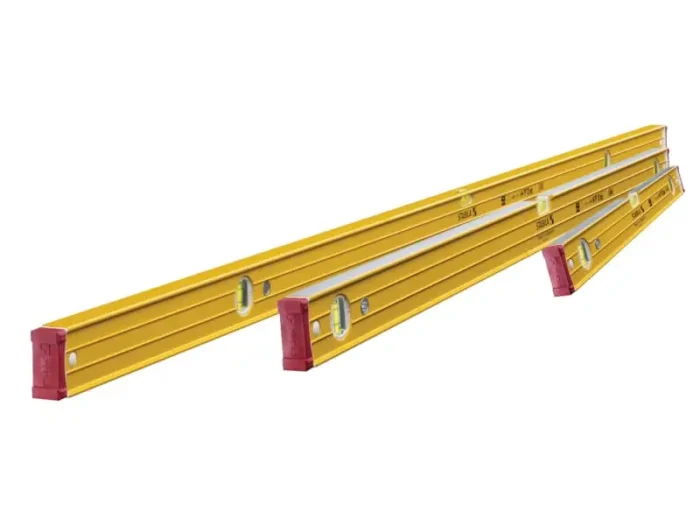



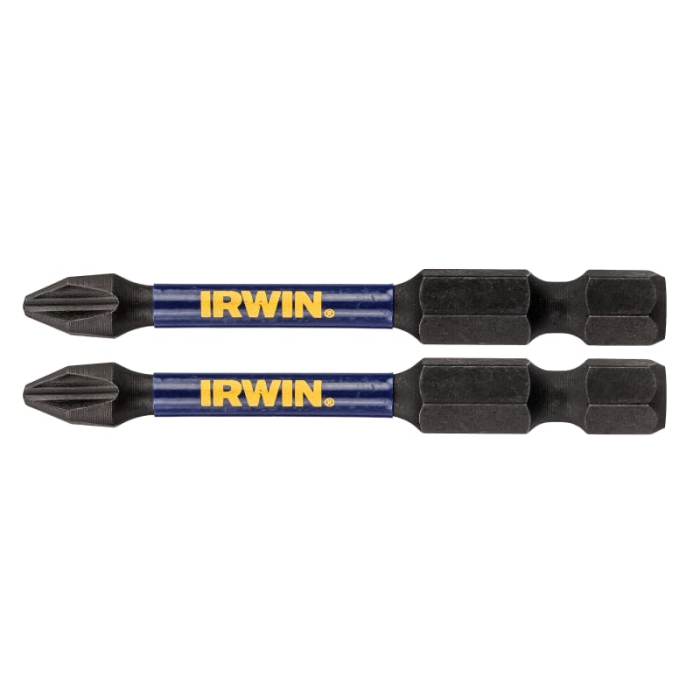
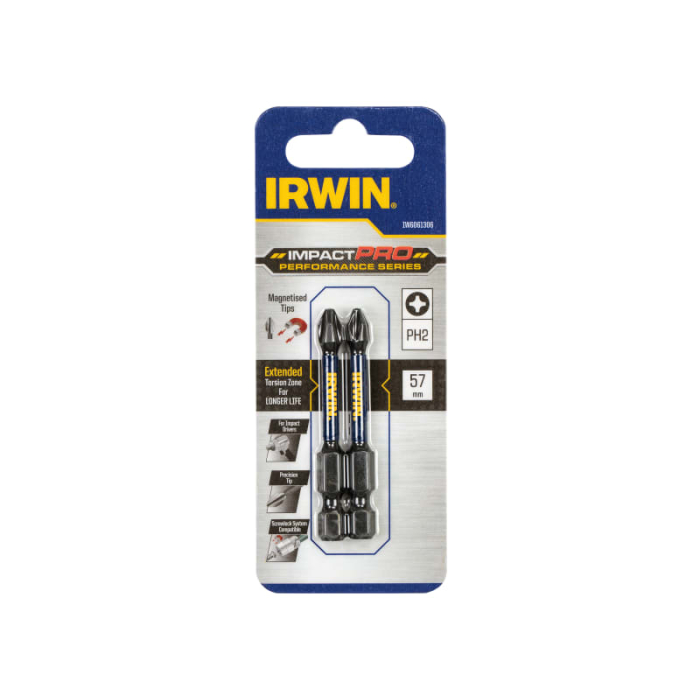







Soon stocks will run out
Dont miss this opportunity while supplies last.

🧰 Maintenance Toolkit Guide — UK Essential Kit & Consumables
A UK guide to building a maintenance toolkit — the essential hand and power tools, electrical and plumbing kit, consumables and fixings to stock, organisation, and competence limits.
The maintenance toolkit is the kit that keeps everything else running. Whether it lives in a facilities engineer’s workshop, a caretaker’s store, a maintenance technician’s bag, or a building manager’s cupboard, it’s the collection of tools that handles the constant stream of small repairs, adjustments, and reactive jobs that keep a building, a fleet, or a plant operating. Get the kit right and most day-to-day maintenance is handled on the spot; get it wrong and every job means a trip back for the right tool, or a contractor call-out for something that should have taken five minutes.
A maintenance toolkit is distinct from a single-trade kit — it’s deliberately broad, covering a bit of everything, because maintenance work is unpredictable and varied: a loose hinge, a dripping tap, a tripped breaker, a stuck lock, a blown bulb, a sticking door, a leaking fitting. The art of building one is anticipating the range of jobs likely to come up and stocking the versatile tools and consumables that cover them, organised so the right tool is always to hand.
This guide covers the principles of building a maintenance toolkit, the core tool categories to include, electrical and plumbing maintenance essentials, the consumables and fixings to stock, organisation and the mobile vs static kit, safety and competence boundaries, sector-specific kits, maintenance of the kit itself, and the common mistakes that leave a maintenance operation under-equipped.
Why the Maintenance Toolkit Matters
Maintenance is about keeping things working — and the speed and cost of that depends heavily on having the right tools and parts available when a job arises. A well-stocked, well-organised toolkit means most reactive jobs are fixed immediately, planned maintenance runs smoothly, and expensive contractor call-outs are reserved for genuinely specialist work. A poorly-equipped one means delays (waiting for tools or parts), repeat visits, improvised bodges that fail, and unnecessary outsourcing of simple jobs.
For organisations, the maintenance toolkit underpins the whole maintenance function — reactive repairs, planned preventive maintenance, and the small interventions that stop minor issues becoming major ones. It sits within the duties around safe equipment (PUWER), electrical safety (Electricity at Work Regulations — with clear competence boundaries), and the general duty to maintain safe premises. The right kit, used by competent people within their limits, keeps the place running safely and economically.
Principles of Building a Maintenance Toolkit
- Anticipate the range of jobs: Think through the likely reactive and planned jobs for the building, fleet, or plant, and stock to cover them.
- Breadth over depth: A maintenance kit is broad — a bit of everything — rather than deep in one trade. Versatility is the priority.
- Quality on the core, sensible on the rest: Invest in quality for the daily-use core tools; mid-range is fine for occasional items.
- Versatile tools first: Multi-tools, adjustable tools, and sets that cover many sizes maximise capability per item carried.
- Stock the consumables: Fixings, tape, lubricant, sealant, and spares are what actually complete most jobs — don’t forget them.
- Organise for speed: A kit you can’t find things in is half a kit. Organisation is part of the toolkit.
- Mobile and static: A grab-bag for going to jobs and a fuller store/workshop for bigger work.
- Know the competence boundaries: Stock for what your people are competent to do; some work (notified electrical, gas) needs qualified trades.
Core Hand Tools
The backbone of any maintenance kit — see our companion Hand Tool Essentials guide for quality detail:
- Screwdriver set: Slotted, Phillips, Pozidriv, Torx, hex — a full range of sizes; plus a multi-bit driver and VDE-insulated drivers for electrical work.
- Pliers set: Combination, long-nose, side cutters, water-pump pliers; VDE-insulated for electrical.
- Adjustable spanners and a combination spanner set (metric, and imperial if older equipment is present).
- Socket set with ratchet — versatile for nuts and bolts.
- Hex (Allen) and Torx key sets.
- Claw hammer and a soft-faced mallet.
- Utility knife with spare blades.
- Hacksaw and junior hacksaw.
- Files (flat, round, half-round).
- Chisels (wood and cold) and a bolster.
- Tape measure, spirit level, and a square.
- Clamps and a pry/wrecking bar.
- Mole grips / locking pliers.
- Scraper and putty/filling knives.
Power Tools for Maintenance
- Combi drill / driver (cordless) — the maintenance workhorse for drilling and driving; ideally on the organisation’s standard battery platform.
- Impact driver for stubborn fixings.
- Drill / driver bit set — a comprehensive set covering wood, metal, and masonry drilling plus all driver types.
- SDS drill for masonry fixing where needed.
- Oscillating multi-tool — hugely versatile for cutting, sanding, and detail work in maintenance.
- Jigsaw / reciprocating saw for cutting.
- Angle grinder for cutting and grinding (with appropriate guards, discs, and PPE).
- Inspection camera / borescope for seeing into voids, drains, and cavities.
- Heat gun for stripping, shrinking, and freeing.
Electrical Maintenance Essentials
For electrical maintenance within the competence of the staff (with notified and complex work left to qualified electricians):
- VDE-insulated screwdrivers and pliers (1000V rated) — essential for any electrical work.
- Voltage tester / two-pole tester for proving dead.
- Multimeter for testing voltage, continuity, and resistance.
- Socket tester for checking socket wiring.
- Wire strippers and crimping tool.
- Cable detector for locating cables before drilling.
- Lock-out / tag-out (LOTO) kit for safe isolation — see our companion Lockout/Tagout guide.
- Assorted terminals, connectors, fuses, and cable.
- Insulation tape and heat-shrink.
- PAT tester for portable appliance testing where that’s part of the role.
Electrical competence boundaries matter: proving dead, replacing like-for-like accessories, and PAT testing may be within a competent maintenance person’s remit, but notifiable work and anything beyond competence must go to a qualified electrician.
Plumbing Maintenance Essentials
- Adjustable spanners and water-pump pliers.
- Pipe wrenches (Stilsons).
- Basin wrench for taps in tight spaces.
- Pipe cutters (and a deburring tool).
- PTFE tape and pipe jointing compound.
- Plunger and drain auger / rods for blockages.
- Assorted washers, O-rings, tap cartridges, and seals.
- Push-fit fittings and isolation valves.
- Silicone sealant and gun.
- Bucket, towels, and a wet vacuum for leaks.
As with electrical, gas work is strictly for Gas Safe registered engineers — never within a general maintenance remit.
Consumables and Fixings to Stock
The consumables are what actually complete most maintenance jobs — a well-stocked fixings and consumables store is as important as the tools:
- Screws: A comprehensive assortment — wood screws, machine screws, self-tappers, in various sizes and head types.
- Wall fixings: Rawl plugs, cavity/plasterboard fixings, frame fixings, chemical anchors, expansion bolts.
- Nails, pins, and staples.
- Nuts, bolts, and washers in common sizes.
- Tapes: Insulation tape, duct tape, masking tape, PTFE, double-sided, hazard tape.
- Adhesives and sealants: Silicone, grab adhesive, epoxy, superglue, decorator’s caulk, expanding foam.
- Lubricants: Penetrating oil (e.g. for seized parts), general lubricant spray, grease, dry lubricant, white grease.
- Cable management: Cable ties, clips, conduit, trunking offcuts, connectors.
- Spares: Bulbs/tubes (and LED replacements), fuses, batteries, washers, filters, common consumable parts for the building’s equipment.
- Cleaning and prep: Cloths, wipes, degreaser, abrasive pads, sandpaper.
- Door and window: Hinges, catches, handles, closers, draught excluder, lock spares.
Access and Inspection
- Stepladder and/or combination ladder — see our Ladder Buying Guide (EN 131 Professional).
- Platform steps / podium for safer low-level work.
- Torch / head torch and inspection lamp.
- Inspection mirror and borescope camera.
- Detectors: stud, cable, and pipe detector.
PPE in the Maintenance Kit
- Safety glasses and goggles
- Gloves (general, cut-resistant, chemical-resistant)
- Dust masks / RPE for dusty work
- Ear protection for noisy tasks
- Knee pads for floor-level work
- Hi-vis where vehicle interaction
- Head protection where needed
- First aid kit
See our Workplace PPE Checklist for the wider PPE picture.
Organisation: Mobile vs Static
The Mobile Kit (Grab-Bag)
A tool bag, backpack, or stackable box carried to jobs — the core hand tools, a cordless combi drill and bits, a basic electrical and plumbing selection, common consumables and fixings, a torch, and basic PPE. Sized so one person can carry it to the job, covering the majority of reactive call-outs without a trip back to the store.
The Static Kit (Workshop / Store)
The fuller collection in a workshop or store — the bench, the heavier and specialist tools, the full fixings and consumables stock (in labelled drawers/bins), spares, and the equipment too big for the grab-bag. The base the mobile kit is restocked from.
Organisation Principles
- Labelled storage — drawers, bins, and boxes clearly marked so anything is found fast
- Foam inserts / shadow boards for tool sets — showing what’s present and missing
- Stackable modular box systems for the mobile kit
- A stock system for consumables — reorder before running out
- Restock the mobile kit from the store after jobs
- Keep the kit clean, dry, and tools maintained
Safety and Competence Boundaries
A maintenance toolkit enables a wide range of work — but the tools don’t confer competence, and some work is off-limits without qualification:
- Gas work: Strictly Gas Safe registered engineers only — never within general maintenance.
- Notifiable / complex electrical work: Qualified electricians — a competent maintenance person’s electrical remit is limited (proving dead, like-for-like accessory replacement, PAT, minor work within competence).
- Working at height: Within the Work at Height Regulations — right access equipment, short-duration ladder work, towers/podiums for more.
- Asbestos: In older buildings, never disturb suspected asbestos — stop and get it assessed.
- Confined spaces, isolation, LOTO: Follow safe systems of work; isolate before working on equipment.
- PUWER: Tools and equipment kept safe and maintained.
- Know the limits: A good maintenance operation knows what it can safely do and what to call a specialist for.
Sector-Specific Kits
Facilities Management (Commercial Buildings)
Broad kit covering fabric, fixtures, basic electrical and plumbing, doors and access, lighting; mobile grab-bags for engineers plus a central store.
Property / Housing Maintenance
Repairs kit for voids and reactive jobs — fabric, plumbing, electrical (within competence), doors, decorating; van-based mobile kits.
Manufacturing / Plant Maintenance
Mechanical and electrical maintenance tools, bearing and drive tools, LOTO kits, condition-monitoring tools, plant-specific spares.
Hospitality / Hotels
Fast reactive kit for guest-facing issues — plumbing, electrical, doors, fixtures, decorating touch-ups; discreet and quick.
Education / Public Buildings
Broad fabric and fixtures kit, access equipment, lighting, safety-critical responsiveness; planned and reactive.
Caretaking / Small Sites
A versatile all-rounder kit and store for a single competent person covering the building’s day-to-day needs.
Fleet / Transport Maintenance
Mechanical tool sets, sockets and spanners, diagnostic tools, vehicle-specific kit.
Maintaining the Kit Itself
- Restock consumables and fixings before they run out (a stock/reorder system)
- Replace blunt blades, worn discs, and damaged tools
- Keep cutting edges sharp and tools clean and dry
- Inspect VDE tools for insulation damage; check test equipment calibration
- Charge and rotate cordless batteries; maintain chargers
- Inspect ladders and access equipment (PUWER)
- PAT test corded tools and equipment
- Keep the kit organised — return tools to their place, restock the grab-bag
- Replenish PPE and first aid supplies
Common Mistakes
Too Narrow a Kit
A kit stocked for one trade leaves the maintenance person stuck on the varied jobs that actually come up. Maintenance needs breadth — a bit of everything.
No Consumables
Good tools but no fixings, tape, sealant, or spares — so jobs can’t be completed without a trip out. Stock the consumables that actually finish jobs.
No Organisation
A disorganised kit where nothing can be found wastes time on every job. Labelled storage and organised grab-bags are part of the toolkit.
No Mobile Kit
Everything in a static store means a trip back for every tool. A well-stocked grab-bag handles most reactive jobs on the spot.
Exceeding Competence
Tackling gas or notifiable electrical work because the tools are there — dangerous and often illegal. Stay within competence and qualification; call specialists for the rest.
Not Restocking
Consumables and grab-bag depleted and never replenished — so the kit is progressively less capable. Restock systematically.
Neglecting Tool Maintenance
Blunt blades, flat batteries, damaged VDE insulation, uncalibrated testers — an unmaintained kit fails when needed. Maintain the kit like any equipment.
No Access Equipment / Wrong Ladder
Improvising access or using domestic ladders for work — a fall risk. Include proper EN 131 Professional access equipment.
No PPE in the Kit
Reaching for tools without eye protection, gloves, or dust masks to hand. Build PPE into the kit.
Disturbing Asbestos
Drilling or cutting into suspected asbestos materials in older buildings — a serious health risk. Stop and get suspect materials assessed before disturbing them.
Conclusion
The maintenance toolkit is the broad, versatile kit that keeps everything else running — the tools and consumables that handle the unpredictable stream of repairs, adjustments, and reactive jobs across a building, fleet, or plant. Building it well means anticipating the range of likely jobs, prioritising breadth and versatile tools, stocking the consumables and fixings that actually complete the work, organising it for speed in both a mobile grab-bag and a fuller static store, and including the access equipment and PPE the work needs.
What separates a maintenance operation that fixes things on the spot from one that’s forever waiting for tools, parts, or contractors is the completeness, organisation, and upkeep of the kit — and the discipline of working within competence, calling qualified trades for gas, notifiable electrical, and anything beyond the team’s remit. Stock broad, organise well, keep it maintained and restocked, respect the competence boundaries, and the maintenance toolkit does its job: keeping the place running, one small fix at a time.
Frequently Asked Questions
What’s different about a maintenance toolkit versus a trade toolkit?
A single-trade toolkit is deep in one area — a plumber’s kit, an electrician’s kit — with the specialist tools for that trade. A maintenance toolkit is deliberately broad, covering a bit of everything, because maintenance work is unpredictable and varied: a loose hinge one minute, a dripping tap the next, a tripped breaker, a stuck lock, a blown bulb. The priority is versatility and coverage rather than depth in any one trade. A good maintenance kit anticipates the full range of likely reactive and planned jobs and stocks versatile tools (multi-tools, adjustable tools, comprehensive sets) plus the consumables and fixings to complete them — so the maintenance person can handle most jobs on the spot rather than being equipped for only one type of work.
What power tools should be in a maintenance kit?
The core is a cordless combi drill/driver — the maintenance workhorse for drilling and driving — ideally on the organisation’s standard battery platform, with a comprehensive bit set covering wood, metal, and masonry drilling plus all driver types. Add an impact driver for stubborn fixings, an SDS drill for masonry fixing, and an oscillating multi-tool, which is hugely versatile for the cutting, sanding, and detail jobs that come up in maintenance. A jigsaw or reciprocating saw covers cutting, and an angle grinder handles cutting and grinding (with proper guards and PPE). An inspection camera/borescope for seeing into voids and a heat gun for stripping and freeing round out a capable maintenance power-tool kit. See our Power Tool Buying Guide for platform and selection detail.
What electrical work can a maintenance person do?
It depends on their competence and qualifications, and the boundaries matter. A competent maintenance person’s electrical remit is typically limited to tasks like proving circuits dead, replacing like-for-like accessories (a faulty socket or switch for an identical one), basic minor work within their competence, and PAT testing where that’s part of their role — always using VDE-insulated tools and safe isolation. Notifiable work (under Part P in dwellings), new circuits, consumer unit work, and anything beyond their competence must go to a qualified electrician. Gas work is entirely off-limits to anyone who isn’t Gas Safe registered. The principle is that having the tools doesn’t confer competence — a good maintenance operation knows exactly what it can safely and legally do and calls qualified trades for the rest.
What consumables should I stock in a maintenance store?
The consumables are what actually complete most maintenance jobs, so stock them well: a comprehensive assortment of screws (wood, machine, self-tapping, various sizes and heads); wall fixings (plugs, cavity/plasterboard fixings, frame fixings, anchors); nails, pins, staples; common nuts, bolts and washers; tapes (insulation, duct, masking, PTFE, double-sided, hazard); adhesives and sealants (silicone, grab adhesive, epoxy, caulk, expanding foam); lubricants (penetrating oil, general spray, grease); cable management (ties, clips, connectors); and spares (bulbs/LEDs, fuses, batteries, washers, tap cartridges, filters, common parts for the building’s equipment). Plus door and window hardware (hinges, catches, handles, closers) and cleaning/prep items. A stock system that reorders before items run out keeps the store reliably capable.
Should the maintenance kit be mobile or fixed?
Both — most maintenance operations need a mobile grab-bag and a static store. The mobile kit is a tool bag, backpack, or stackable box carried to jobs, holding the core hand tools, a cordless combi drill and bits, a basic electrical and plumbing selection, common consumables and fixings, a torch, and basic PPE — sized so one person can carry it and stocked to cover the majority of reactive call-outs without a trip back. The static kit is the fuller collection in a workshop or store: the bench, heavier and specialist tools, the full labelled fixings and consumables stock, spares, and bigger equipment — the base the mobile kit is restocked from after jobs. The combination means most jobs are handled on the spot while bigger work is supported from the store.
What PPE should be in a maintenance toolkit?
Build PPE into the kit so it’s always to hand: safety glasses and goggles for eye protection; gloves (general handling, cut-resistant, and chemical-resistant for different tasks); dust masks or RPE for dusty work; ear protection for noisy tasks like grinding or hammer drilling; knee pads for floor-level work; hi-vis where there’s vehicle interaction; head protection where needed; and a first aid kit. Because maintenance work is so varied, the PPE needs to cover a range of hazards — the eye and hand protection get used constantly, while dust, hearing, and other protection come out for specific tasks. Keeping PPE in the kit (and replenishing it) means it actually gets used rather than skipped because it wasn’t to hand. See our Workplace PPE Checklist for the fuller picture.
How do I keep a maintenance kit in good order?
Treat the kit like any other equipment that needs upkeep. Restock consumables and fixings before they run out using a stock/reorder system; replace blunt blades, worn discs, and damaged tools; keep cutting edges sharp and tools clean and dry; inspect VDE tools for insulation damage and check test equipment calibration; charge and rotate cordless batteries and maintain chargers; inspect ladders and access equipment under PUWER; PAT test corded tools and equipment; and keep everything organised by returning tools to their place and restocking the mobile grab-bag from the store after jobs. Also replenish PPE and first aid supplies. A maintained, organised, restocked kit is reliably capable; a neglected one quietly degrades until it fails on the job that needed it.
What maintenance work should always be left to specialists?
Several categories are off-limits regardless of how well-equipped the kit is. Gas work is strictly for Gas Safe registered engineers only — never within a general maintenance remit. Notifiable and complex electrical work goes to qualified electricians. Anything involving asbestos must stop immediately if suspected materials are found in older buildings — never drill, cut, or disturb them; get them assessed by a competent person first. Work in confined spaces, complex working at height, and anything beyond the team’s competence or safe systems of work should go to appropriate specialists. The guiding principle is that the tools don’t confer competence — a good maintenance operation knows exactly where its capabilities end and brings in qualified trades for gas, notifiable electrical, asbestos, and other specialist or high-risk work rather than attempting it because the equipment happens to be available.