We deliver to you Mon-Fri from 8:00 to 18:00

Your Cart
Add £100.00 to cart and get free shipping!
No products in the cart.
Free Shipping on All Orders Over £100
Add £100.00 to cart and get free shipping!
No products in the cart.
Free Shipping on All Orders Over £100
Currently trending on Sitex Direct
Popular products with our buyers
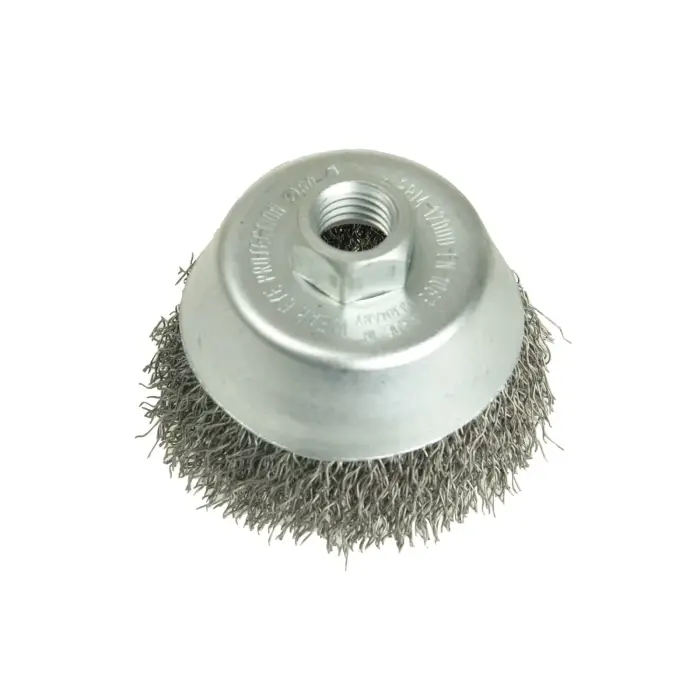
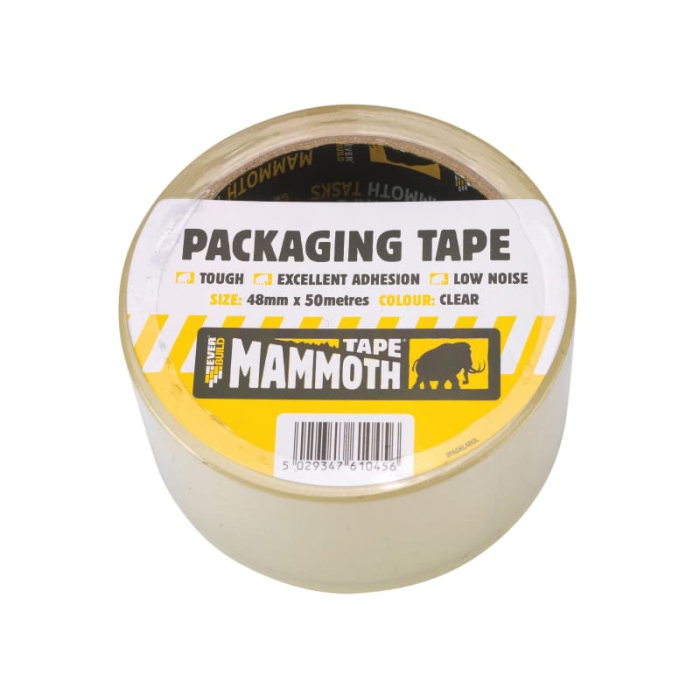

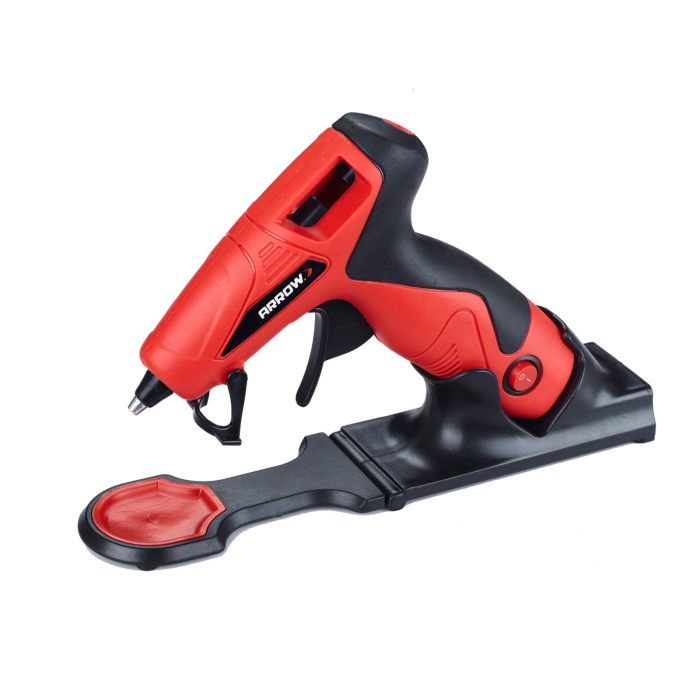
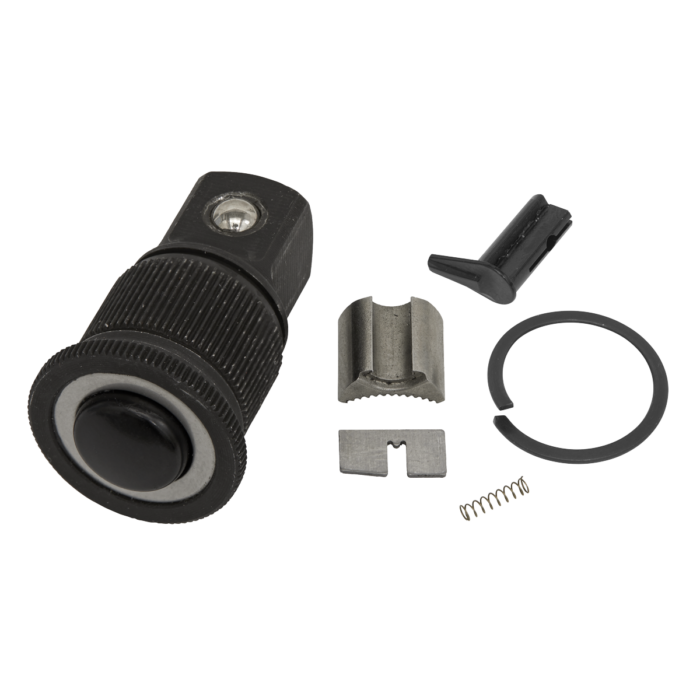
Soon stocks will run out
Dont miss this opportunity while supplies last.

🔨 Hand Tool Essentials — UK Guide to Quality, Kit & VDE Tools
A UK guide to hand tool essentials — quality markers, the core trade kit by category, VDE insulated tools for electrical work, materials, maintenance, and organisation.
Hand tools are the bedrock of every trade. Long before the cordless drill and the laser level, the work was done with hammers, screwdrivers, saws, spanners, and chisels — and despite a century of power-tool advances, the hand tool kit remains the part of the toolbox a tradesperson reaches for dozens of times a day. A worker can have the best power tools on the market and still be let down by a screwdriver that rounds off screws, a tape measure that has lost its accuracy, or pliers whose jaws no longer meet.
Hand tools are also where the gap between cheap and quality is most visible over time. A budget spanner set looks identical to a premium one in the packaging, but the cheap one flexes, rounds fasteners, and snaps under load, while the quality one lasts a working lifetime. For a UK trade, the hand tool kit is a long-term investment where buying well once beats buying cheap repeatedly — and where the right tools, properly maintained, simply make the work faster, cleaner, and safer.
This guide covers the hand tool quality markers that separate good from poor, the core trade kit by category, the safety standards that matter (especially VDE insulated tools for electrical work), materials and construction, maintenance and care, organisation, sector-specific kits, and the common mistakes that cost trades money and frustration.
Why Hand Tool Quality Matters
A quality hand tool does three things a cheap one cannot: it performs the task properly (a good screwdriver grips and turns without camming out; a good spanner drives the fastener without rounding it), it lasts (quality steel and heat treatment survive years of daily use where budget tools deform or break), and it works safely (a hammer head that stays on its handle, insulated tools that protect against shock, pliers that grip securely). Tool failure isn’t just inconvenient — a snapping tool, a slipping blade, or a hammer head flying off causes real injuries.
For UK trades, hand tools fall under PUWER 1998 (suitable, maintained, safe equipment) like any other work equipment, and for electrical work, the use of properly rated insulated tools is a core electrical safety control. Beyond compliance, the productivity case is simple: a tradesperson using quality, well-organised, well-maintained tools works faster and with less frustration than one fighting cheap, worn, or missing tools.
Hand Tool Quality Markers
Quality is visible to anyone who knows what to look for. Key markers:
- Steel and heat treatment: Quality tools use chrome-vanadium (Cr-V) or chrome-molybdenum (Cr-Mo) steel, properly hardened and tempered. This is what lets a spanner drive a tight fastener without flexing or rounding it.
- Forging vs casting: Forged tools (steel shaped under pressure) are far stronger than cast tools. Quality spanners, pliers, and hammers are drop-forged.
- Finish: A clean, even chrome or coating finish resists corrosion and indicates careful manufacture. Rough edges, casting flash, and uneven plating signal cheap production.
- Tolerances: Quality tools fit precisely — a good spanner fits the fastener snugly; a good screwdriver tip matches the screw recess exactly. Sloppy tolerances round fasteners and cam out.
- Handles: Secure, ergonomic, comfortable handles — bi-material grips, properly fitted hammer handles, insulated handles where needed.
- Brand and guarantee: Reputable brands (Bahco, Knipex, Wera, Stanley, Stahlwille, Facom, Draper Expert, Teng, Wiha, and others) back quality tools with lifetime or long guarantees — a signal of confidence and a practical safety net.
- Standards marking: Relevant standards (e.g. VDE / GS for insulated tools, DIN / ISO dimensional standards) marked on the tool.
The Core Trade Hand Tool Kit
Striking Tools
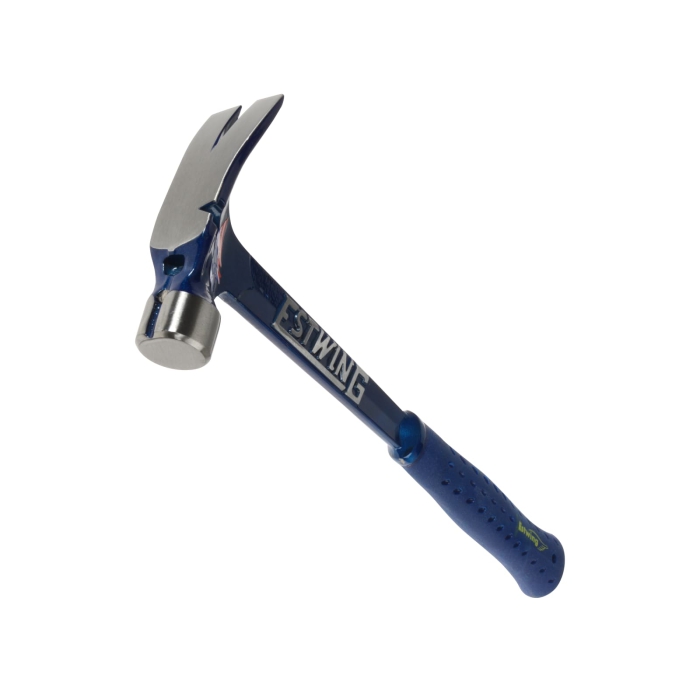
- Claw hammer: The universal hammer — driving and pulling nails. Quality versions have a secure head-to-handle connection (forged one-piece, or well-fitted with anti-vibration).
- Club / lump hammer: For heavier striking, bolsters, and chisels.
- Sledgehammer: Demolition and driving.
- Ball-pein hammer: Metalwork.
- Soft-faced / rubber mallet: Striking without marking.
- Pin / tack hammer: Fine work.
Screwdrivers
Slotted, Phillips, Pozidriv, Torx, and hex — in a range of sizes. Quality screwdrivers have precisely-machined tips that match the screw recess, hardened tips that resist wear, and comfortable grips. VDE-rated insulated screwdrivers for electrical work. Magnetic tips aid one-handed work. A screwdriver that cams out and rounds screws is a false economy.
Pliers and Cutters
- Combination pliers: Gripping, bending, cutting.
- Long-nose / needle-nose pliers: Fine and confined work.
- Side cutters / diagonal cutters: Cutting wire and cable.
- Water-pump pliers (slip-joint): Adjustable gripping — quality versions (e.g. Knipex Cobra) grip without slipping.
- Locking pliers (Mole grips / Vise-Grips): Clamping.
- End cutters / nippers: Cutting flush.
- VDE-insulated versions for electrical work.
Spanners and Sockets
- Combination spanners: Open-end and ring — a core set in metric (and imperial where needed).
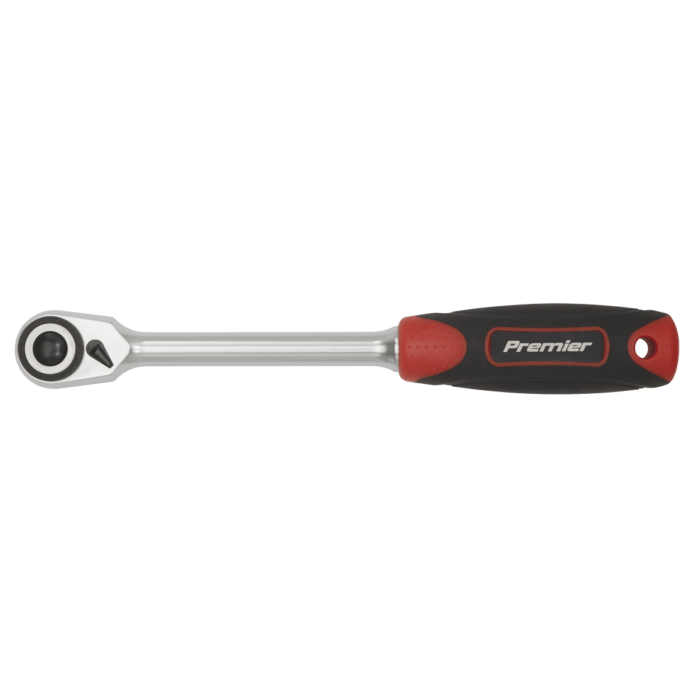
- Socket set: Ratchet and sockets in 1/4", 3/8", 1/2" drives, with extensions and accessories.
- Adjustable spanner: Versatile but use carefully (can round fasteners if loose).
- Torque wrench: For fasteners requiring specific torque — needs periodic calibration.
- Allen / hex keys and Torx keys: Loose sets, folding sets, and T-handle versions.
Cutting and Sawing
- Hand saw: Timber cutting.
- Tenon / back saw: Accurate joinery cuts.
- Hacksaw: Metal cutting.
- Junior hacksaw: Confined metal cutting.
- Utility / Stanley knife: The universal cutting tool — retractable, with replaceable blades.
- Snips / shears: Sheet metal.
- Chisels (wood and cold): Wood-paring and masonry / metal cutting.
Measuring and Marking
Tape measure, spirit level, combination square, pencil, chalk line, marking gauge — covered in depth in our companion Measuring & Marking Tools guide.
Holding and Clamping
Clamps (G-clamps, quick-release, sash), a vice, and bench dogs for workshop work.
Other Essentials
Tape, files (flat, round, half-round), a scraper, a putty knife, a wrecking / pry bar, a bolster, a nail punch, a centre punch, a cold chisel, and a tool roll or bag to carry it all.
VDE and Insulated Tools for Electrical Work
For any work on or near live electrical systems, insulated hand tools are a critical safety control. The relevant standard is VDE (tested to IEC 60900 / EN 60900), which certifies tools as safe for live working up to 1000V AC.
- VDE marking: Genuine VDE tools are individually tested to 10,000V and certified for use up to 1000V AC / 1500V DC, marked with the VDE logo and the 1000V rating and the double-triangle insulation symbol.
- Two-layer insulation: Quality VDE tools have two contrasting colour layers — if the outer layer wears through to reveal the inner colour, the tool must be removed from use.
- What needs VDE: Screwdrivers, pliers, side cutters, spanners, and any tool used on or near live conductors.
- GS mark: The German “Geprüfte Sicherheit” (tested safety) mark, often seen alongside, indicates independently tested safety.
- Inspection: VDE tools must be inspected before use for any damage to the insulation — a nick or crack compromises the protection.
Critically, insulated tools are one control within safe systems of work — the safest approach to electrical work is to work dead (isolated and proven dead) wherever possible, with insulated tools as protection against the residual risk and for the limited live work that is genuinely justified.
Materials and Construction
- Chrome-vanadium (Cr-V) steel: The standard quality steel for spanners, sockets, and many hand tools — strong, durable, corrosion-resistant.
- Chrome-molybdenum (Cr-Mo) steel: Tougher, used for impact sockets and high-stress tools.
- Forged steel: Shaped under pressure for maximum strength — quality pliers, spanners, hammers.
- Hardened tips / edges: Screwdriver tips, chisel edges, and cutting edges hardened for wear resistance.
- Bi-material handles: Hard core with soft grip layer for comfort and control.
- Fibreglass / hickory hammer handles: Strong, shock-absorbing handle materials.
- Insulation (VDE): Dual-layer dielectric insulation for electrical tools.
Maintenance and Care
Hand tools reward simple care with years of extra life:
- Keep tools clean and dry — wipe down after use, especially in wet or dirty conditions
- Prevent rust — a light oil film on bare steel; store dry
- Keep cutting edges sharp — chisels, knives, and saws cut safely and accurately only when sharp (a blunt tool needs more force and slips more)
- Replace utility knife and saw blades when blunt
- Check hammer heads are secure — a loose head is dangerous
- Inspect insulated (VDE) tools for insulation damage before each use
- Calibrate torque wrenches periodically
- Replace tools that are damaged, deformed, or worn beyond safe use
- Store tools organised and protected — loose tools in a heap get damaged and lost
Organisation and Carrying
How tools are stored and carried affects both productivity and tool life:
- Tool bags / rolls: Soft storage for carrying a working kit.
- Tool boxes / cantilever boxes: Organised portable storage.
- Tool belts and pouches: Keeping the most-used tools to hand on the body.
- Tool chests / roller cabinets: Workshop organisation with drawers.
- Foam tool inserts (shadow boards): Cut-foam trays where each tool has a place — instantly showing what’s missing (excellent for high-value kits and for tool control in sensitive environments).
- Site security: See our companion Tool Storage Solutions guide for site boxes, van security, and theft prevention.
Sector-Specific Kits
Electrical
VDE-insulated screwdrivers, pliers, side cutters, and spanners; cable knives; voltage testers; wire strippers; crimpers. Insulation safety paramount.
Plumbing / Heating
Water-pump pliers, pipe wrenches, adjustable spanners, pipe cutters, deburring tools, basin wrenches, PTFE / hemp, hacksaw.
Joinery / Carpentry
Chisels (well-maintained, sharp), hand saws and tenon saws, marking tools, hammers, screwdrivers, planes, clamps, mallet.
General Building
Hammers, bolsters, cold chisels, trowels, levels, lump hammer, brick line, jointer, hand saw, utility knife.
Mechanical / Automotive
Comprehensive socket and spanner sets, torque wrenches, pliers, impact sockets, specialist automotive tools, screwdrivers.
Groundworks / Civils
Heavy striking tools, bars, shovels, spades, picks, bolsters, line and level tools.
Facilities / Maintenance
Versatile general kit — screwdrivers, pliers, spanners, hammer, saws, utility knife, basic VDE for minor electrical.
Common Mistakes
Buying Cheap and Replacing Often
Budget hand tools that round fasteners, snap, and wear out cost more over time than quality tools bought once. For tools used daily, quality is the cheaper long-term choice.
Wrong Tool for the Job
Using pliers instead of a spanner (rounding the fastener), a screwdriver as a chisel or pry bar (damaging the tip and risking injury), or an adjustable spanner where a correctly-sized one was needed. Using tools for their intended purpose protects both the tool and the user.
Non-VDE Tools for Electrical Work
Ordinary screwdrivers and pliers used on or near live conductors — a serious shock risk. Use genuine VDE 1000V-rated insulated tools for electrical work.
Worn / Damaged VDE Insulation Ignored
VDE tools with nicked or worn insulation (inner colour layer showing through) still in use — the protection is compromised. Inspect before use and replace damaged insulated tools.
Loose Hammer Heads
A hammer head that has worked loose on its handle can fly off in use — a serious injury risk. Check and re-secure or replace.
Blunt Cutting Tools
Blunt chisels, knives, and saws need more force and slip more, causing both poor work and injuries. Keep edges sharp and replace blades.
Mushroomed Chisel / Punch Heads
Struck tools (cold chisels, punches, bolsters) develop a mushroomed head over time — fragments can break off and fly. Grind back the mushrooming or replace.
No Organisation
Tools in a disorganised heap get damaged, lost, and waste time to find. Tool rolls, boxes, and foam inserts protect tools and speed work.
Adjustable Spanner Overuse
Reaching for the adjustable spanner for everything — if not set snug it rounds fasteners. Use correctly-sized spanners and sockets where possible.
Conclusion
Hand tools are the part of the kit where buying well pays back most clearly. The quality markers — forged chrome-vanadium steel, precise tolerances, secure handles, reputable brands with guarantees, and the right standards marking — separate tools that perform and last from tools that frustrate and fail. For electrical work, genuine VDE-insulated tools are a non-negotiable safety control. And across every trade, the right tool for the job, kept sharp, secure, and organised, simply makes the work better.
What separates an effective hand tool kit from a drawer of disappointments is the discipline of buying quality once, using each tool for its intended purpose, maintaining edges and insulation, retiring damaged tools, and keeping everything organised. Build the core kit on quality, add VDE where electrical work demands it, look after the tools, and they’ll repay the investment across a working lifetime — which is exactly the timescale good hand tools are built for.
Frequently Asked Questions
What makes a hand tool good quality?
The key markers are the steel and heat treatment (quality tools use chrome-vanadium or chrome-molybdenum steel, properly hardened), forged rather than cast construction (forging makes tools far stronger), precise tolerances (a good spanner or screwdriver fits the fastener exactly rather than rounding or camming out), a clean even finish, secure ergonomic handles, and a reputable brand backing the tool with a long or lifetime guarantee. Relevant standards marking (VDE for insulated tools, DIN/ISO dimensional standards) also signals quality. These features are what let a quality tool perform the task properly, last for years of daily use, and work safely — the things a cheap look-alike cannot do.
What are VDE tools and when do I need them?
VDE tools are insulated hand tools tested and certified for safe use on or near live electrical systems up to 1000V AC. They’re tested to the IEC/EN 60900 standard — individually proof-tested at 10,000V and certified for working up to 1000V — and marked with the VDE logo, the 1000V rating, and the double-triangle insulation symbol. You need VDE tools (screwdrivers, pliers, side cutters, spanners) for any work on or near live electrical conductors. Quality VDE tools have two contrasting colour insulation layers, so if the outer layer wears through to show the inner colour, you know the tool must be removed from use. They should be inspected for insulation damage before every use.
Is it worth buying expensive hand tools?
For tools used daily in a trade, almost always yes. Budget hand tools that round fasteners, cam out, flex, and snap cost more over time — in replacements, in damaged fastenings, and in lost productivity — than quality tools bought once. A premium forged chrome-vanadium spanner can last a working lifetime where a cheap cast one deforms within months of hard use. The exception is genuinely occasional-use tools, where mid-range quality is often the sensible balance. The principle: invest in quality for the tools you use every day, and you’ll spend less over the years than buying cheap repeatedly. Reputable brands’ lifetime guarantees reflect this durability.
How do I stop hand tools rusting?
Keep them clean and dry — wipe tools down after use, especially after working in wet or dirty conditions, and never put them away damp. A light film of oil on bare steel surfaces protects against moisture. Store tools in a dry environment (damp toolboxes, van floors, and unheated sheds promote rust), and silica gel packs or VCI (vapour corrosion inhibitor) products in toolboxes help. Chrome-plated and coated tools resist rust better than bare steel but still benefit from drying. If surface rust does appear, remove it promptly with fine abrasive and re-oil. Quality tools with good finishes resist corrosion better, but care extends the life of any tool.
Why shouldn’t I use a screwdriver as a chisel or pry bar?
Because it damages the tool and risks injury. Screwdrivers are designed for turning, not striking or levering — using one as a chisel damages the tip and handle, and using one as a pry bar can bend or snap the shaft. A snapping screwdriver or a slipping tip can drive the tool into your hand. The same principle applies across hand tools: using pliers instead of a spanner rounds fasteners, using a spanner as a hammer damages it, and so on. Using each tool only for its intended purpose protects both the tool and the user. Keep a proper chisel, pry bar, and bolster in the kit so the temptation to misuse a screwdriver doesn’t arise.
What is a mushroomed tool head and why is it dangerous?
When struck tools like cold chisels, bolsters, and punches are repeatedly hit with a hammer, the struck end gradually deforms and spreads into a mushroom shape with a flared, ragged edge. This is dangerous because hardened steel fragments from the mushroomed edge can break off and fly at high speed when struck — a serious eye and skin injury risk to the user and bystanders. Mushroomed heads should be ground back to a clean profile (or the tool replaced) before the deformation becomes severe. This is one reason eye protection is essential when using struck tools, and why regularly inspecting and dressing struck tools is part of safe hand tool use.
How should I organise my hand tools?
Choose storage that matches how you work. Tool bags and rolls suit a portable working kit; cantilever toolboxes give organised portable storage; tool belts and pouches keep the most-used tools on your body while working; and tool chests or roller cabinets organise a workshop with drawers. Foam tool inserts (shadow boards) — cut-foam trays where each tool has a dedicated cut-out — are excellent for high-value kits because a glance shows what’s missing, which aids both tool control and theft awareness. Good organisation protects tools from damage, stops them getting lost, and saves the time wasted hunting through a disorganised heap. For site and van security against theft, see our Tool Storage Solutions guide.
How often should hand tools be replaced?
Quality hand tools are bought to last — many will serve a working lifetime with proper care, which is why reputable brands offer lifetime guarantees. Replacement is driven by condition rather than age: replace tools that are damaged, deformed, worn beyond safe use, or compromised. Specific triggers include hammer heads that won’t stay secure, VDE tools with damaged insulation (inner colour showing), spanners or sockets that have rounded out, cutting tools that can no longer be sharpened effectively, and struck tools too mushroomed to dress safely. Consumable elements — utility knife blades, saw blades — are replaced as they blunt. The aim is to retire any tool the moment it becomes unsafe or stops performing, while keeping sound tools in service for the long term.