We deliver to you Mon-Fri from 8:00 to 18:00

Your Cart
Add £100.00 to cart and get free shipping!
No products in the cart.
Free Shipping on All Orders Over £100
Add £100.00 to cart and get free shipping!
No products in the cart.
Free Shipping on All Orders Over £100
Currently trending on Sitex Direct
Popular products with our buyers


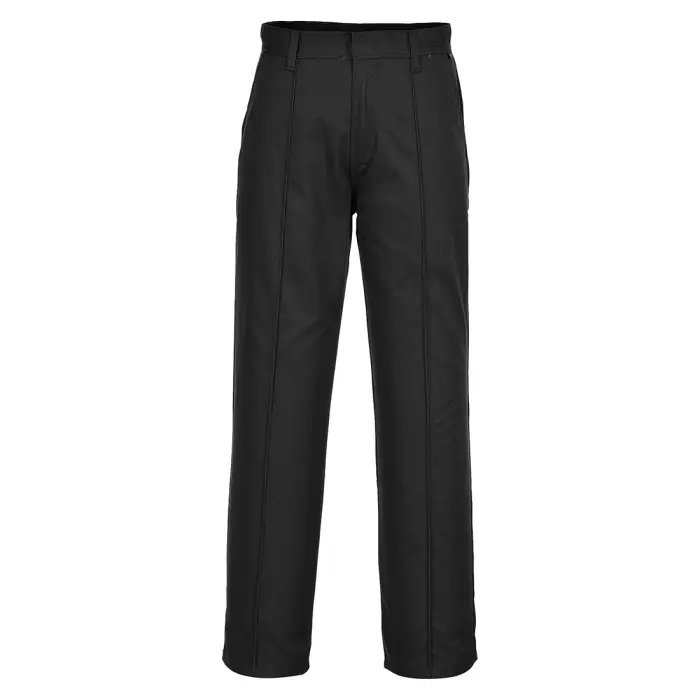

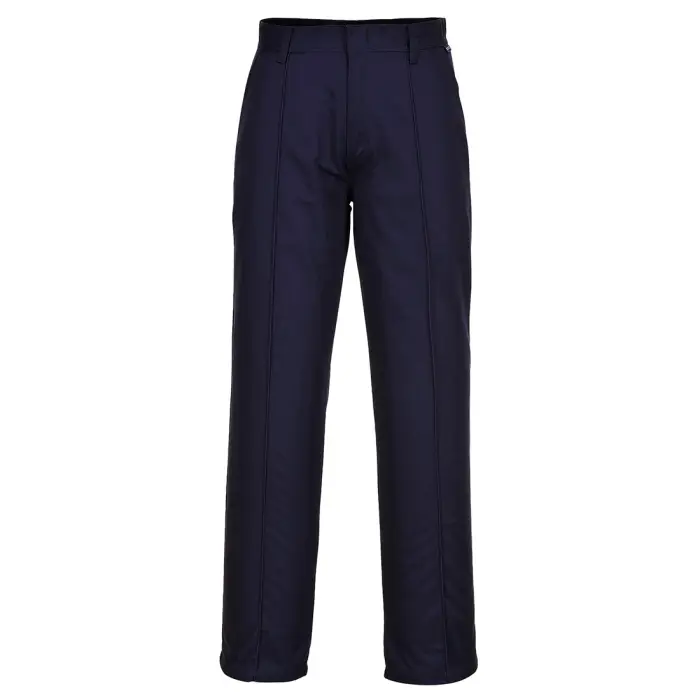

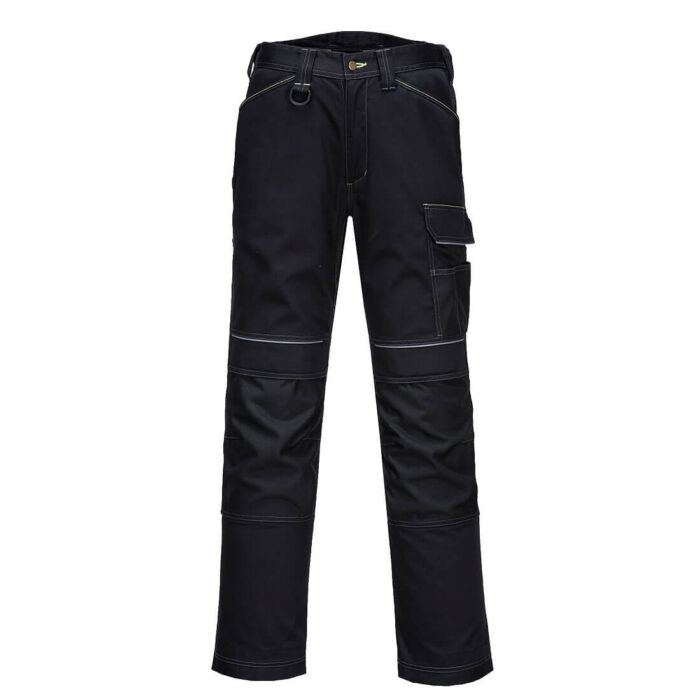
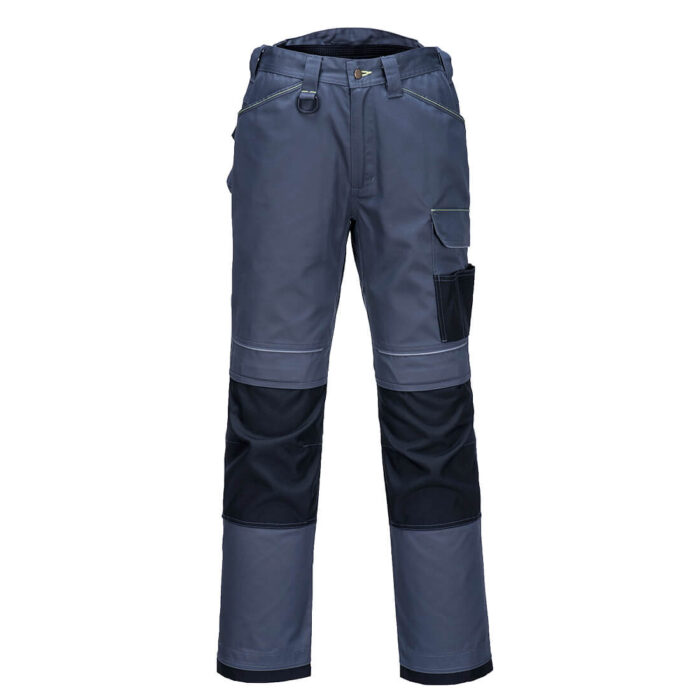
Soon stocks will run out
Dont miss this opportunity while supplies last.

🧤 Protective Gloves Guide for UK Workplaces
A UK guide to protective gloves — EN 388, EN 374, EN 407 standards, glove materials, sector applications, sizing, and selection.
Hands account for around 25–30% of all reported workplace injuries in the United Kingdom. Cuts, punctures, abrasions, burns, chemical exposures, vibration-related conditions, and crush injuries are among the most common reasons for time off, time on light duties, and lasting harm to careers. Most of those injuries are preventable, and protective gloves are the single most effective control.
The challenge is that "protective gloves" is not one product. It is a family of products designed for different hazards, made from different materials, certified against different standards, and rated to different protection levels. A nitrile glove that works perfectly for chemical handling may give no useful protection against a sharp blade; a heavy cut-resistant glove may be useless against solvents. Selecting wrongly leaves the worker exposed.
This guide sets out the UK legal framework around hand protection, the EN standards every UK glove should reference, the rating systems for each hazard type (mechanical, chemical, heat, cold, electrical), the materials and constructions in common use, sector-specific selection, and the sizing, fit, and replacement principles that separate competent procurement from tick-box compliance.
Why Hand Protection Matters
HSE statistics consistently feature hand and finger injuries among the most reported workplace incidents. Cuts from blades, abrasive damage from handling rough materials, chemical burns from incorrect glove selection, vibration syndrome from prolonged power tool use, and crush injuries during materials handling are routine across UK industry.
For UK employers, inadequate hand protection brings direct costs (sickness absence, agency cover, retraining), HSE enforcement risk under the Health and Safety at Work Act 1974, civil liability claims that can run into six figures for severe hand injuries, increased insurance premiums, and lasting damage to recruitment and retention. The protection-to-cost ratio for gloves is one of the most favourable in PPE.
The UK Legal Framework
Health and Safety at Work Act 1974 (HSWA)
The overarching duty on employers to provide a safe workplace, including suitable PPE where risk assessment identifies the need.
Personal Protective Equipment at Work Regulations 1992 (amended 2022)
Require PPE — including protective gloves — to be supplied free of charge where risk assessment identifies a need. The 2022 amendment extended these duties to limb (b) workers (agency, contractors, gig).
Control of Substances Hazardous to Health Regulations 2002 (COSHH)
Where chemical exposure is identified, employers must provide gloves rated for the specific chemicals in use. Generic "chemical gloves" without specific permeation data are not COSHH-compliant.
Control of Vibration at Work Regulations 2005
Where hand-arm vibration exposure exceeds action values, control measures must include reducing vibration transmission — anti-vibration gloves can form part of that programme (though they are rarely the primary control).
PPE Regulations (EU 2016/425, retained in UK law)
Set the certification framework for protective gloves — EN standards, CE/UKCA marking, and the three category levels (Category I minimal, II moderate, III complex/life-threatening).
Glove Standards Explained
UK protective gloves reference one or more of the following EN standards depending on the hazards they protect against. Most industrial gloves reference EN 388 as a minimum.
EN 388: Mechanical Hazards
The most common UK glove standard. Covers protection against abrasion, blade cut, tear, and puncture. The four-digit rating (e.g. 4544) and supplementary letters indicate performance levels (covered in detail below).
EN 374: Chemical and Microbial Hazards
Three parts: EN 374-1 (chemical permeation), EN 374-4 (degradation), EN 374-5 (micro-organisms). Gloves tested against a panel of 18 reference chemicals, with letter codes (A–T) indicating which chemicals show at least 30 minutes of breakthrough protection. The 2018 update introduced Type A (six chemicals), Type B (three chemicals), and Type C (one chemical) classifications.
EN 407: Heat and Fire
Six-digit rating covering burning behaviour, contact heat, convective heat, radiant heat, small splashes of molten metal, and large quantities of molten metal. Used for welding, foundry work, hot kitchens, and pyrotechnic environments.
EN 511: Cold
Three-digit rating for convective cold, contact cold, and water permeation. Used for cold store work, outdoor winter operations, and refrigeration handling.
EN 60903: Electrical Insulating Gloves
For live electrical work. Class 00 (500V), Class 0 (1000V), Class 1 (7500V), Class 2 (17000V), Class 3 (26500V), Class 4 (36000V). Requires periodic re-testing every six months.
EN 421: Ionising Radiation and Radioactive Contamination
Specialist standard for nuclear, medical isotope, and contamination-handling environments.
EN 1149: Electrostatic Discharge (ESD)
For static-sensitive environments — electronics manufacturing, semiconductor handling, certain pharmaceutical and explosive atmosphere work.
EN ISO 374-5: Microbiological Protection
For medical, laboratory, and food-handling environments where bacterial or viral transmission is a concern.
EN 388 Ratings Explained
EN 388 is the standard most UK industrial gloves reference. The four-digit rating tells you the performance level against four mechanical hazards:
- Position 1 — Abrasion resistance: Level 0–4 (4 = highest, tested by counting Martindale cycles to wear-through)
- Position 2 — Blade cut resistance (coup test): Level 0–5 (5 = highest)
- Position 3 — Tear resistance: Level 0–4
- Position 4 — Puncture resistance: Level 0–4
The 2016 update added two supplementary markings:
- Position 5 — ISO 13997 cut resistance (TDM test): Letters A–F, with F being the highest. This is more reliable than the coup test for highly cut-resistant materials.
- Position 6 — Impact protection: Letter P if the glove passes EN 13594 impact testing on the back of hand and knuckles.
For UK use, look for the TDM (A–F) cut rating where cut hazard is significant — the coup test can be misleading for some modern materials. Glass handling, sheet metal, butchery, and recycling typically need a TDM rating of D or above.
Glove Materials
Choice of material drives most performance characteristics.
Nitrile
Synthetic rubber. Excellent chemical resistance against many oils, fuels, and solvents. Good puncture resistance. Latex-free (suitable for those with allergies). The dominant material for disposable industrial gloves.
Latex (Natural Rubber)
Good dexterity and elasticity. Affordable. Limited chemical resistance. Can cause Type I latex allergy in sensitised users — use restricted in many UK healthcare and food environments.
Neoprene
Synthetic rubber with broader chemical resistance than nitrile (particularly to acids, bases, and alcohols). More expensive but versatile for mixed chemical environments.
HPPE (High Performance Polyethylene)
Trade names include Dyneema and Spectra. Lightweight, very high cut resistance, comfortable. The dominant cut-resistant material in modern UK gloves.
Kevlar (Para-Aramid)
Excellent cut and heat resistance. Used for welding, glass handling, butchery. Heavier and less dexterous than HPPE.
Leather (Full Grain, Split, Suede)
Robust general-purpose protection. Good abrasion resistance. Used for handling rough materials, riggers, welding (split leather). Not for chemical or wet work.
PVC (Polyvinyl Chloride)
Waterproof and chemical resistant. Used for handling cold, wet, and chemical materials. Less flexible than nitrile.
Polyurethane (PU)
Thin, flexible coating commonly applied to HPPE liners. Provides good grip, dexterity, and abrasion resistance.
Disposable vs Reusable
The choice between disposable and reusable gloves is driven by hazard, hygiene, and economics.
Disposable Gloves
Nitrile, latex, or vinyl, typically thin (3–8 mil). Single-use. Used in medical, food, laboratory, cleaning, and light chemical handling. Powder-free is the modern standard. Cost per pair very low (often pence) but throughput cost adds up.
Reusable Gloves
Coated knit gloves (HPPE + PU/nitrile), leather, and chemical-resistant gauntlets. Designed for repeated use across a shift. Replaced when worn or contaminated.
Sizing and Fit
Glove sizing is standardised under EN 420 (measured by palm circumference and middle finger length). UK glove sizes typically range 6–11:
- Size 6 — Extra Small (palm 152 mm)
- Size 7 — Small (palm 178 mm)
- Size 8 — Medium (palm 203 mm)
- Size 9 — Large (palm 229 mm)
- Size 10 — Extra Large (palm 254 mm)
- Size 11 — XXL (palm 279 mm)
Fit principles:
- Snug at the palm without restricting movement
- Fingers reach the tips without bunching
- No excessive looseness at the cuff
- Allow finger movement, grip strength, and dexterity
- Stock sizes 7, 8, 9, 10 cover most adult hands; 6 and 11 for outliers
Poorly-fitted gloves are a safety problem in their own right: too tight causes fatigue and reduced blood flow; too loose causes slip, snagging, and reduced dexterity.
Sector-Specific Selection
Construction
Cut Level B/C (EN 388 coup) or A–D (TDM), nitrile or PU coated, good grip in wet conditions. Specific gloves for cement-handling (cement can cause chemical burns).
Manufacturing (General)
HPPE cut Level D, PU coating, sized to operator. Anti-vibration gloves where power tools used.
Warehousing / Logistics
Light coated knit gloves with good dexterity. Cut Level B or above where opening cartons or handling sharp items.
Food Production
Disposable nitrile (powder-free, blue) for hygiene. Cut-resistant gloves under disposable layer for butchery.
Healthcare
Disposable nitrile (powder-free), single-use, sized to staff member. Latex restricted under NHS guidance.
Catering / Hospitality
Disposable for food contact; heat-resistant for hot work; cut-resistant for prep where required.
Utilities / Electrical
EN 60903 rated for live work, voltage class matching the work. Re-tested every 6 months.
Chemical Handling
EN 374-rated gloves with specific chemical permeation data for the substances in use. Long gauntlet styles for splash protection.
Welding
EN 388 + EN 407 + leather. Specific welding glove types for MIG, TIG, MMA.
Recycling / Waste
High cut resistance (TDM E or F), puncture protection, chemical resistance for needle-stick and contamination.
Care and Replacement
Inspect before each use: visible damage, holes, chemical degradation (swelling, hardening, discolouration), wear-through at fingertips and palm.
Replace immediately on:
- Any hole, tear, or visible damage
- Chemical degradation signs (gloves no longer flexible, sticky, discoloured)
- Wear-through at high-contact points
- Contamination that cannot be cleaned
- End of recommended use period for the application
- Failure of the manufacturer’s breakthrough time for chemical gloves
For disposable gloves: single-use only. Change between tasks. Change if contaminated.
For reusable gloves: clean per manufacturer guidance, store in clean dry conditions away from sunlight and chemicals, replace at signs of wear.
Common Mistakes
One Glove for Every Job
The most common error. Gloves are hazard-specific. A glove that protects against cuts may give no chemical protection, and vice versa. Multi-hazard environments may need multiple glove types issued by task.
Buying on Headline Cut Rating Alone
A glove with TDM cut Level F may still fail at light puncture or abrasion. Read the full EN 388 rating, not just one digit.
Generic Chemical Gloves
"Chemical resistant" without specific EN 374 permeation data is not COSHH-compliant. Specify the chemical, breakthrough time, and Type A/B/C classification.
Reusing Disposables
Disposable gloves degrade rapidly with reuse, especially after exposure to skin oils, soaps, and chemicals. Cost-saving on disposables creates a hidden injury risk.
Wrong Size for the Wearer
One-size-fits-all does not work for gloves. Stock multiple sizes; train issuers to fit properly.
Latex in Sensitive Workplaces
Type I latex allergy can be severe and is increasingly common in UK workers. Switch to nitrile or vinyl in any environment with healthcare, food, or recurring use.
Skipping Electrical Re-testing
EN 60903 gloves must be re-tested every 6 months. Untested electrical gloves provide no certified protection.
Conclusion
Protective gloves are the most varied PPE category in UK workplaces. The standards (EN 388 mechanical, EN 374 chemical, EN 407 heat, EN 511 cold, EN 60903 electrical) are clear, the rating systems are logical, and the material choices are well-established.
What separates effective hand protection programmes from tick-box compliance is matching the glove to the specific hazard — not generic "industrial gloves" — supplying correct sizing, training staff on inspection and replacement, and recognising that no single glove protects against every hazard. Get those things right and one of the most preventable categories of UK workplace injury becomes genuinely uncommon.
Frequently Asked Questions
What does EN 388 mean on protective gloves?
EN 388 is the UK and European standard for protective gloves against mechanical hazards. The four-digit rating (e.g. 4544) shows performance against abrasion (0–4), blade cut coup test (0–5), tear (0–4), and puncture (0–4). The 2016 update added two supplementary letters: A–F for the more reliable ISO 13997 (TDM) cut test, and P for impact resistance on the back of hand. For UK industrial use, both the numeric rating and the TDM letter should be checked.
What is the difference between cut levels A–F?
Cut levels A–F come from the ISO 13997 TDM test introduced in the 2016 EN 388 update. A is the lowest cut resistance, F the highest. The TDM test is more reliable than the original coup test for modern cut-resistant materials. For typical UK glass handling, sheet metal, and butchery, look for Level D or above. The original 0–5 coup-test scale is also still printed on gloves — the higher the better.
Are nitrile gloves better than latex?
For most UK industrial use, yes. Nitrile offers better chemical resistance against many oils, fuels and solvents, better puncture resistance, and avoids the Type I latex allergy risk. Latex retains the edge for dexterity in very light tasks, but for industrial, automotive, and most healthcare use, nitrile is the modern default.
How often should industrial gloves be replaced?
For disposable gloves: single use only — change between tasks or after contamination. For reusable gloves: replace at any sign of damage, chemical degradation (stiffness, swelling, discolouration), wear-through, or after exceeding the manufacturer’s recommended use period. For EN 60903 electrical gloves: mandatory re-testing every six months.
Can disposable gloves be reused?
No. Disposable nitrile, latex, and vinyl gloves are designed for single use. Reuse degrades the material structure (especially after skin oils and any chemical exposure), creating tiny weaknesses that compromise barrier protection. The cost saving is illusory — a single hand injury costs hundreds of times more than appropriate glove provision.
What’s the difference between EN 374 Type A, B and C?
The 2018 update to EN 374 introduced three types based on the number of test chemicals with at least 30 minutes breakthrough protection. Type A: protection against at least six chemicals from the standard panel. Type B: at least three chemicals. Type C: at least one chemical. The chemicals tested are identified by letter codes (A–T). For UK COSHH compliance, the glove must be tested against the specific chemicals being handled.
Do I need different gloves for different chemicals?
Often yes. EN 374 testing demonstrates performance against specific chemicals — a glove rated for acid handling may have no protection against organic solvents, and vice versa. Reputable suppliers provide chemical permeation tables. For mixed chemical environments, you may need two glove types issued by task, or a broader-spectrum material such as butyl or neoprene.
Are CE marks the same as UKCA marks on gloves?
CE marks remain valid for sale in Great Britain alongside UKCA marks. The UK government has confirmed indefinite recognition of CE marking for most PPE categories. UKCA is the British equivalent introduced post-Brexit. A glove with either marking is acceptable for UK workplace use, provided it references the appropriate EN standards.