We deliver to you Mon-Fri from 8:00 to 18:00

Your Cart
Add £100.00 to cart and get free shipping!
No products in the cart.
Free Shipping on All Orders Over £100
Add £100.00 to cart and get free shipping!
No products in the cart.
Free Shipping on All Orders Over £100
Currently trending on Sitex Direct
Popular products with our buyers

Soon stocks will run out
Dont miss this opportunity while supplies last.

🔩 Power Tool Buying Guide — UK Cordless, Brushless & Platform Guide
A UK guide to buying power tools — corded vs cordless vs petrol, battery platforms and voltage, brushless motors, safety features, HAVS and noise, PAT testing, and PUWER.
Power tools are where a trade workforce’s productivity is made or lost. The right tool, on the right power platform, in good condition and used safely, turns a day’s work into a few hours. The wrong tool — underpowered, on a battery system that doesn’t match the rest of the kit, or unsafe — costs time, money, and occasionally fingers. The UK power tool market has been transformed over the last decade by the rise of brushless motors and high-capacity lithium battery platforms, to the point where cordless now matches or beats corded for most trades.
Buying power tools well is partly about the individual tool and partly about the system — because once a workforce commits to a battery platform, every future cordless purchase is shaped by that decision. Getting the platform choice right, understanding brushless versus brushed, knowing which tools still justify corded or petrol, and buying tools with the safety features that protect users are the decisions that pay back over years.
This guide covers the UK legal framework for power tool use (PUWER, vibration and noise regulations), the corded vs cordless vs petrol decision, battery platforms and voltages, brushless technology, the core power tool categories, safety features, PAT testing and maintenance, sector-specific selection, and the common mistakes that waste money and create risk.
Why Power Tool Selection Matters
Power tools are simultaneously a productivity multiplier and a significant hazard. They cause some of the most severe UK workplace injuries — lacerations, amputations, eye injuries, electric shock, and the long-term harms of hand-arm vibration syndrome (HAVS) and noise-induced hearing loss. The tool selection decision affects all of this: the right tool for the task reduces strain and the temptation to misuse; low-vibration tools protect against HAVS; quality tools with proper guards and safety features protect users; and the right power platform keeps the workforce working rather than waiting for charge or trailing leads.
For UK employers, power tools fall under PUWER 1998 (suitable, maintained, safe equipment with guards and training), the Control of Vibration at Work Regulations 2005 (HAVS), the Control of Noise at Work Regulations 2005, and the Electricity at Work Regulations 1989. Buying decisions intersect all of these — a low-vibration, well-guarded, correctly-powered tool is easier to use safely and compliantly than a cheap, harsh, poorly-protected one.
The UK Legal Framework
Provision and Use of Work Equipment Regulations 1998 (PUWER)
Power tools must be suitable for the task, maintained in safe working order, fitted with appropriate guards and safety devices, and used by trained people. The core regulation for power tool provision and use.
Control of Vibration at Work Regulations 2005
Address hand-arm vibration syndrome (HAVS) — a serious, irreversible condition from prolonged use of vibrating tools. Set exposure action and limit values, requiring employers to assess vibration exposure and reduce it. Tool selection (low-vibration tools) is a primary control.
Control of Noise at Work Regulations 2005
Address noise exposure — many power tools exceed action levels. Quieter tools and hearing protection are the controls.
Electricity at Work Regulations 1989
Apply to corded electrical tools — covering safe condition, PAT testing practice, and the use of reduced-voltage (110V) systems on UK construction sites.
Supply of Machinery (Safety) Regulations 2008
Govern the safety of machinery placed on the UK market, including CE / UKCA marking and guarding requirements.
Corded vs Cordless vs Petrol
Cordless (Battery)
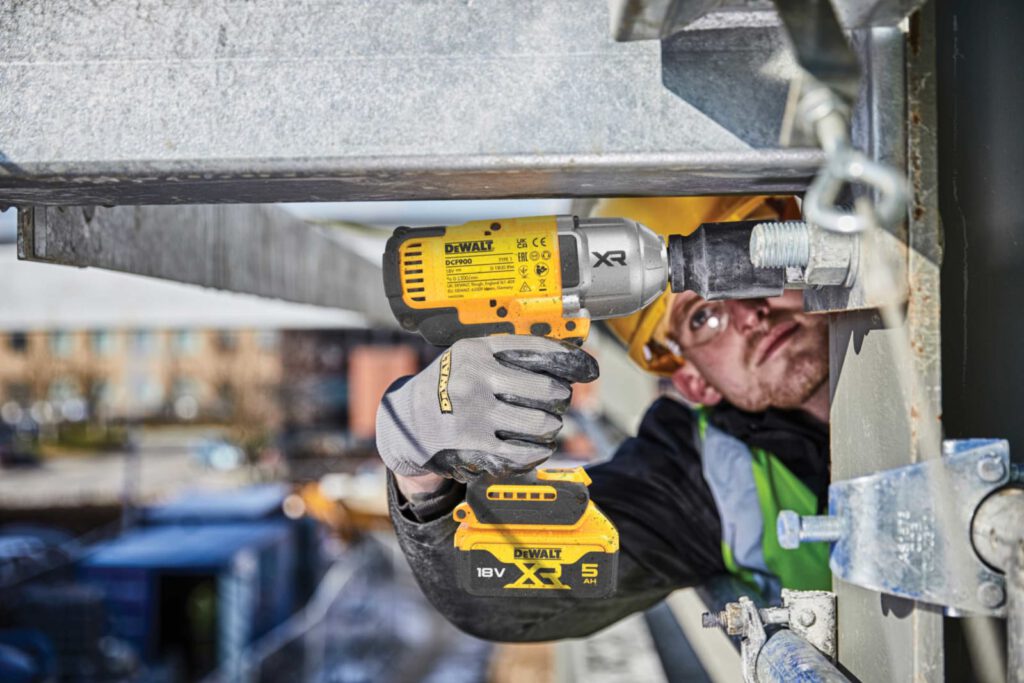
Now the dominant choice for most UK trades. Modern brushless cordless tools on 18V and higher platforms match corded performance for the majority of tasks. Advantages: total mobility, no trailing leads (a major trip and snag hazard), fast deployment, no need for power on site. The trade-offs: battery cost, charging logistics, and the platform lock-in that ties future purchases to one brand’s battery system. For most general trade work, cordless is now the default.
Corded (Mains / 110V)
Still justified for sustained high-power applications — large breakers, big circular saws, continuous-duty grinding, heavy drilling — where battery drain would be impractical, and for fixed workshop tools. On UK construction sites, corded tools are typically 110V (reduced voltage via a site transformer) for electrical safety, rather than 230V mains. Corded gives unlimited runtime and consistent power but ties the user to a power source and creates lead-management hazards.
Petrol
For high-power outdoor and remote applications where mains isn’t available and battery capacity is insufficient — large cut-off saws (disc cutters), chainsaws, breakers, compactors, generators. Petrol delivers the highest sustained power but brings fuel handling, emissions (a serious hazard in enclosed spaces — carbon monoxide), noise, vibration, and maintenance. Battery alternatives are increasingly displacing petrol for lighter applications.
Air (Pneumatic)
Workshop and production tools run from a compressor — nail guns, impact wrenches, sanders. Powerful and lightweight at the tool, but tethered to an air line and compressor.
Battery Platforms and Voltage
The single most important cordless buying decision is the battery platform — because it commits the workforce to a brand’s ecosystem.
Platform Lock-In
Each major manufacturer (DeWalt, Makita, Milwaukee, Bosch, Festool, Hikoki, Einhell, Ryobi, and others) has its own battery platform. Batteries are not cross-compatible between brands. Once a workforce invests in batteries and chargers for one platform, every future cordless tool purchase is cheaper as a “bare tool” (no battery) on that same platform — and switching brands means re-buying batteries. Choose the platform deliberately, considering the full tool range available, battery cost, and how widely it’s supported.
Voltage Classes
- 12V: Compact, light tools for light-duty and confined work — small drills, drivers, where size and weight matter more than power.
- 18V (and 18V x2 / 36V): The mainstream professional platform. Covers the vast majority of trade tools, with high-capacity batteries delivering serious power. Twin-18V (36V) configurations power high-demand tools like SDS drills and circular saws.
- High-voltage systems (e.g. 54V / FlexVolt, 40V): Higher-power platforms for the most demanding cordless tools, often backward-compatible with the brand’s 18V tools.
Battery Capacity (Ah)
Amp-hours (Ah) indicate capacity / runtime — higher Ah batteries run longer between charges but are heavier and more expensive. A mix of compact (2–5 Ah) batteries for light tools and high-capacity (5–12 Ah) batteries for demanding tools is common. The voltage determines power; the Ah determines runtime.
Battery Chemistry and Care
Modern tools use lithium-ion batteries — no memory effect, good energy density, but sensitive to extreme heat and cold, and a fire risk if damaged or charged incorrectly (see our Fire Safety guidance on lithium-ion risk). Charge with the correct charger, store at moderate temperature, and replace visibly damaged or swollen batteries safely.
Brushless vs Brushed Motors
One of the biggest shifts in modern power tools is the move to brushless motors.
Brushed Motors
Traditional motors using carbon brushes that physically contact the rotating commutator. Cheaper, but the brushes wear out (eventually needing replacement), generate friction and heat, waste energy, and are less efficient. Still found on budget and lighter-duty tools.
Brushless Motors
Electronically commutated motors with no physical brushes. Advantages: more efficient (longer runtime per charge), more powerful for their size, longer-lasting (no brushes to wear), cooler-running, and able to adapt power electronically to the load. The standard for quality cordless trade tools. Brushless tools cost more upfront but deliver better performance, longer tool life, and significantly better battery runtime — usually worth it for daily trade use.
Core Power Tool Categories
- Drill drivers: General drilling and screwdriving — the foundational cordless tool.
- Combi (hammer) drills: Add hammer action for masonry — the versatile all-rounder.
- Impact drivers: High torque for driving screws and fixings without cam-out — a trade essential alongside the drill driver.
- SDS rotary hammers: Heavy masonry and concrete drilling and light breaking, using SDS bits.
- Angle grinders: Cutting and grinding metal and masonry — powerful and among the more hazardous tools (kickback, disc burst).
- Circular saws: Straight cutting of timber and sheet materials.
- Jigsaws: Curved and intricate cutting.
- Reciprocating saws: Demolition and rough cutting.
- Mitre / chop saws: Accurate angled cross-cuts.
- Multi-tools (oscillating): Versatile cutting, sanding, and detail work.
- Sanders: Orbital, random orbital, belt — surface finishing.
- Routers: Shaping, grooving, edging.
- Nail / staple guns: Fixing and fastening.
- Planers: Timber dressing.
- Heat guns: Stripping, shrinking, heating.
- Site / task lighting: Increasingly on the same battery platforms.
Safety Features to Look For
- Anti-kickback / electronic clutch: Detects sudden binding and cuts power — critical on drills, grinders, and SDS tools to prevent wrist injury.
- Soft start: Gradual power ramp-up reducing start-up torque reaction.
- Brake: Rapid blade / disc stop when the trigger is released — important on grinders and saws.
- Guards: Correctly fitted, adjustable guards on grinders, saws, and routers — never removed.
- Lock-off / safety triggers: Prevent accidental start.
- Low-vibration design: Anti-vibration handles and mechanisms reducing HAVS risk — check the declared vibration (m/s²) value.
- Dust extraction / collection: On-tool extraction ports and collection reducing dust exposure (silica dust from masonry is a serious hazard — see RPE guidance).
- Spindle lock: For safe accessory changes.
- Riving knife (circular / table saws): Prevents kickback from blade pinch.
- Trigger speed control: Variable speed for control.
- Declared noise level: Lower-noise tools reduce hearing risk.
Vibration (HAVS) and Noise
Two long-term harms deserve specific attention when buying power tools:
Hand-Arm Vibration Syndrome (HAVS)
Prolonged use of vibrating tools (grinders, breakers, SDS drills, sanders) can cause permanent, irreversible damage to nerves, blood vessels, and joints in the hands and arms. The Control of Vibration at Work Regulations 2005 set exposure action and limit values. Tool selection is the primary control — buy low-vibration tools, check the manufacturer’s declared vibration value (m/s²), and use it to calculate safe trigger-time exposure. Anti-vibration tools and proper maintenance significantly reduce exposure.
Noise
Many power tools exceed the Control of Noise at Work action levels. Quieter tools reduce the need for hearing protection and the overall risk. Check declared noise levels and combine with appropriate hearing protection where action levels are reached.
PAT Testing and Maintenance
Corded Tools (PAT Testing)
Corded electrical tools should be subject to portable appliance testing (PAT) as part of an electrical maintenance regime under the Electricity at Work Regulations — frequency based on the tool type and environment (construction tools used hard need more frequent testing than office equipment). Combined with user pre-use checks of leads, plugs, and casings.
Cordless Tools
Cordless tools don’t need PAT testing on the tool (no mains lead), but their chargers do. Batteries and chargers should be inspected for damage.
General Maintenance
- Pre-use checks — guards present, leads / casings undamaged, accessories sound
- Keep tools clean and dust-free (especially vents)
- Replace worn accessories (blades, discs, bits) — worn accessories are inefficient and dangerous
- Service per manufacturer schedule (brushed motors need brush replacement; bearings and gearboxes need servicing)
- Store tools dry and secure — systainer / stackable case systems protect tools and aid organisation
- Damaged tools removed from use and repaired or replaced
Sector-Specific Selection
General Building / Construction
18V brushless platform — combi drill, impact driver, circular saw, SDS, grinder, recip saw, multi-tool. 110V corded for heavy sustained tools on site. Dust extraction on masonry tools.
Joinery / Carpentry
Precision tools — mitre saw, router, jigsaw, track saw, sanders, brad nailers. Dust extraction important for fine work. Often a workshop + site tool split.
Electrical
Compact drills / drivers, SDS for fixing, cable tools, often 12V / 18V for confined work. PAT-tested corded where used. Insulated hand tools alongside.
Plumbing / Heating
Combi drills, SDS, press tools (proprietary battery press systems), recip saws, pipe tools. Compact tools for tight access.
Metalwork / Fabrication
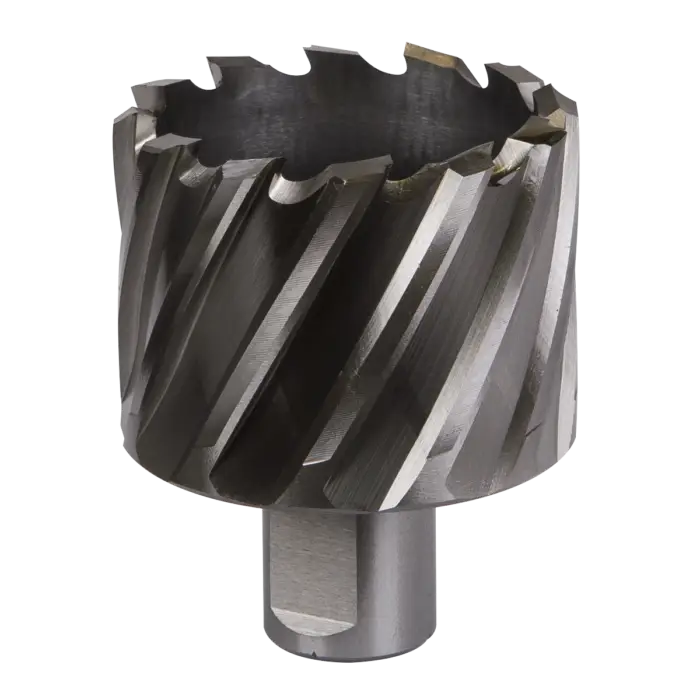
Grinders, chop saws, magnetic drills, plasma where applicable. Heavy-duty corded for sustained grinding. Strong guarding and PPE.
Groundworks / Demolition
Petrol or heavy corded breakers and cut-off saws, recip saws, dust suppression on cutting. Increasingly heavy cordless for lighter breaking.
Facilities / Maintenance
Versatile cordless kit — combi drill, impact driver, multi-tool, jigsaw — on one platform for varied tasks.
Landscaping / Grounds
Outdoor power — increasingly cordless (battery mowers, strimmers, blowers, hedge trimmers) replacing petrol for lower noise and emissions; petrol still for heavy / remote work.
Common Mistakes
Mixing Battery Platforms
Buying cordless tools across several brands means incompatible batteries, multiple chargers, and no benefit from bare-tool pricing. Commit to a platform and buy bare tools on it.
Buying Brushed to Save Money
For daily trade use, brushed tools’ shorter runtime, lower power, and brush wear cost more over time than the brushless premium. Brushless is usually the better long-term value for professional use.
Ignoring Vibration Values
Buying tools without checking declared vibration (m/s²) values, then exceeding HAVS exposure limits. Low-vibration tool selection is a primary HAVS control under the Vibration Regulations.
Removing Guards
Grinder and saw guards removed “to see better” or because they’re in the way — a leading cause of severe lacerations and disc-burst injuries. Guards stay on.
No Dust Extraction on Masonry / Wood
Cutting and grinding masonry without dust control exposes workers to silica dust (a serious lung hazard); woodworking dust is also harmful. Buy tools with extraction ports and use on-tool or shop extraction.
230V Mains on Site Instead of 110V
Using 230V tools on construction sites where 110V reduced-voltage is the safe standard. Site tools should be 110V (or cordless).
No PAT Testing of Corded Tools
Corded site tools never electrically tested — a PUWER / Electricity at Work failing and a shock / fire risk. PAT test on a risk-based schedule.
Worn Accessories Left in Use
Blunt blades, worn discs, and damaged bits are inefficient and dangerous (more force needed, more kickback risk). Replace accessories before they fail.
Cheap Tools for Heavy Use
Budget DIY-grade tools used for daily professional work burn out fast and lack safety features. Match the tool grade to the duty — professional tools for professional use.
Damaged Lithium Batteries Kept in Use
Swollen, damaged, or overheating lithium batteries are a fire risk. Remove from use and dispose safely — don’t keep charging them.
Conclusion
UK power tool buying is a decision with two layers — the individual tool (right type, right grade, right safety features, low vibration and noise) and the system (the battery platform that shapes every future cordless purchase). Get the platform choice right, commit to brushless for daily use, match corded / 110V and petrol to the heavy and remote tasks that still need them, and buy the safety features (guards, anti-kickback, dust extraction, low vibration) that protect users and support compliance.
What separates effective power tool procurement from waste and risk is treating it as a system: one well-chosen battery platform, professional-grade brushless tools, attention to the long-term harms of vibration and noise at the point of purchase, dust control on masonry and wood, PAT testing of corded tools, and the maintenance discipline that keeps guards on, accessories sharp, and damaged tools out of use. Buy the platform deliberately, buy the grade the work demands, and the tools repay it in productivity, longevity, and safer workers.
Frequently Asked Questions
Is cordless or corded better for trade use?
For most UK trades, cordless is now the default. Modern brushless cordless tools on 18V and higher platforms match corded performance for the majority of tasks, while eliminating trailing leads (a major trip and snag hazard) and giving total mobility. Corded (typically 110V reduced-voltage on construction sites) is still justified for sustained high-power applications — large breakers, continuous grinding, big saws — where battery drain would be impractical, and for fixed workshop tools. Petrol remains for high-power remote work without mains access. The practical answer for most workforces is a cordless platform for general work, supplemented by corded or petrol for the heavy and remote tasks.
What’s the difference between brushless and brushed motors?
Brushed motors use carbon brushes that physically contact a rotating commutator — cheaper, but the brushes wear out and need replacing, they generate friction and heat, and they’re less efficient. Brushless motors are electronically commutated with no physical brushes — more efficient (longer runtime per charge), more powerful for their size, longer-lasting, cooler-running, and able to adapt power to the load electronically. Brushless tools cost more upfront but deliver better performance, longer tool life, and significantly better battery runtime, which usually makes them the better long-term value for daily professional use. Brushed tools still suit budget and lighter-duty applications.
Why does the battery platform matter so much?
Because batteries aren’t cross-compatible between brands, so once a workforce invests in batteries and chargers for one platform (DeWalt, Makita, Milwaukee, Bosch, etc.), every future cordless tool is cheaper bought as a “bare tool” (no battery) on that same platform — while switching brands means re-buying the whole battery fleet. This platform lock-in means the first major cordless decision effectively commits the workforce to an ecosystem. Choose deliberately, considering the breadth of the brand’s tool range, battery cost and capacity options, charger compatibility, and how widely supported the platform is, because you’ll be living with it for years.
What voltage cordless tools should I buy?
For mainstream professional use, 18V is the standard platform — it covers the vast majority of trade tools, with high-capacity batteries delivering serious power, and twin-18V (36V) configurations powering high-demand tools like SDS drills and circular saws. 12V tools suit light-duty and confined work where compact size and low weight matter most. Higher-voltage systems (such as 54V FlexVolt or 40V platforms) power the most demanding cordless tools and are often backward-compatible with the brand’s 18V tools. Most trade workforces standardise on an 18V platform and add higher-voltage or 12V tools where the work specifically calls for them.
What is HAVS and how does tool choice affect it?
Hand-arm vibration syndrome (HAVS) is permanent, irreversible damage to the nerves, blood vessels, and joints of the hands and arms caused by prolonged use of vibrating tools like grinders, breakers, SDS drills, and sanders. The Control of Vibration at Work Regulations 2005 set exposure action and limit values that employers must manage. Tool selection is a primary control — manufacturers declare a vibration value (m/s²) for each tool, and choosing low-vibration tools directly reduces exposure and extends the safe trigger-time before limits are reached. Anti-vibration designs, proper maintenance, and sharp accessories all reduce vibration further. Checking the declared vibration value should be part of any vibrating-tool purchase.
Do cordless tools need PAT testing?
The cordless tools themselves don’t need portable appliance testing because they have no mains lead — but their chargers do, as the charger is a mains-powered appliance. Corded power tools should be PAT tested as part of an electrical maintenance regime under the Electricity at Work Regulations 1989, with the frequency based on the tool type and environment (construction tools used hard need testing more often than office equipment). All tools, corded and cordless, should also get user pre-use checks — leads, plugs, casings, guards, and accessories for corded; batteries, chargers, and casings for cordless. Damaged batteries should be removed from use and disposed of safely.
Why do I need dust extraction on power tools?
Because the dust created by cutting and grinding is a serious health hazard. Cutting or grinding masonry, concrete, stone, and some bricks releases respirable crystalline silica dust, which causes silicosis, lung cancer, and COPD with prolonged exposure — one of the most significant long-term hazards in UK construction. Wood dust is also harmful (some hardwood dust is carcinogenic). On-tool dust extraction (ports connecting to an M-class or H-class extractor) captures dust at source, dramatically reducing exposure, and is far more effective than relying on respiratory protection alone. Buying tools with extraction capability and using it — alongside appropriate RPE — is essential for masonry and woodworking tasks.
Why use 110V tools on a construction site instead of normal 230V?
UK construction sites standardise on 110V reduced-voltage tools (supplied via a centre-tapped site transformer) for electrical safety. The system limits the voltage to earth to 55V, so in the event of a fault or a cut cable — common risks on a busy site with tools dragged across rough ground — the shock risk is far lower than with 230V mains, which can be fatal. 110V corded tools, identifiable by their yellow plugs and casings, are the established safe standard for corded site equipment. The alternative that increasingly sidesteps the issue entirely is cordless tools, which carry no mains shock risk at the tool and remove the trailing-lead hazard as well.